English
 Português
 русский
 Chinese
 French
 Japanese
 Spanish

How to Cut Large Stone Blocks: Best Methods, Tools, and Professional Tips
2026-08-14 13:43:23
admin
Knowing how to cut large stone blocks efficiently is critical for your quarry or fabrication plant. You need precision and speed without wasting valuable material. When you cut thick stone blocks, you face unique challenges that standard blades simply cannot handle.
This guide covers the best stone block cutting methods to help you maximize productivity. Whether you are processing granite, marble, or sandstone, we will show you exactly how to cut large stone blocks using the most effective techniques. To explore professional solutions immediately, view our specialized diamond wire for stone.
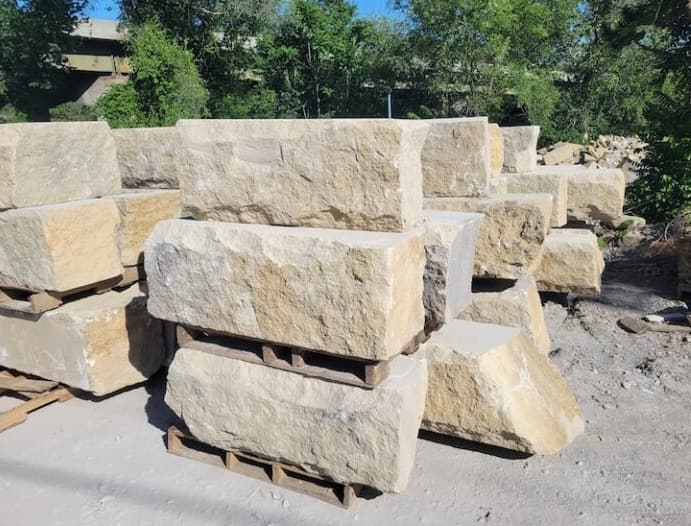
Why Cutting Large Stone Blocks Is More Challenging Than It Looks
Processing massive materials demands more than just a powerful motor. You must understand the specific physical hurdles involved before beginning.
Common challenges when cutting oversized stone blocks
You face multiple obstacles when you process heavy masonry.
Limited cutting depth of diamond blades: Circular blades cannot reach the center of massive blocks.
Long cutting time and low productivity: Thick materials slow down your feed rates significantly.
Blade wear and overheating: Friction builds up quickly when you cut large stone blocks continuously.
Material waste and inaccurate cuts: Blade deflection creates uneven slabs, causing expensive waste.
Risk of cracking or chipping valuable stone: Excessive vibration damages fragile natural stone.
Factors that affect cutting difficulty
Several variables determine how easily you can process raw stone.
Stone type: Granite requires harder metallic bonds than softer limestone or marble.
Block dimensions and thickness: Thicker blocks demand specialized wire tools over circular saws.
Required cutting accuracy: Precision slabs require more rigid setups and careful tensioning.
Production volume: High-output facilities need automated, durable solutions to maintain profitability.
Choosing the Right Method to Cut Large Stone Blocks
Selecting the proper machinery dictates your production speed and profit margins. Let us evaluate the standard industrial options available today.
Diamond saw blades
Circular diamond blades work well for secondary sizing. However, they struggle with primary block processing. Therefore, you should reserve them for trimming slabs rather than breaking down entire oversized blocks.
Bridge saws
Bridge saws offer excellent precision for standard architectural panels. Yet, their blade diameter rigidly restricts their maximum cutting depth. Consequently, bridge saws are not the best way to cut large stone blocks directly from the quarry.
Gang saws
Gang saws use multiple straight blades to slice blocks into multiple slabs simultaneously. This method is highly productive for softer stones like marble. In contrast, they cut granite very slowly and require massive facility space.
Diamond wire saws
A diamond wire saw for stone blocks is the B2B industry standard for primary cutting. This equipment uses a continuous loop of steel cable fitted with diamond beads. You can wrap the wire around blocks of almost any size. For versatile cutting applications, exploring our professional wire saw tools is a highly effective next step.
Why diamond wire saws are ideal for oversized stone blocks
First, diamond wire saws offer virtually unlimited cutting depth. Second, they reduce material waste because the kerf is incredibly thin. As a result, you yield more usable stone from every block. Finally, they cut fast, operate quietly, and consume less power per square meter of cut.
Step-by-Step Process for Cutting Large Stone Blocks
Executing a flawless cut requires strict attention to detail. Follow these specific steps to ensure maximum safety and precision.
Inspect and measure the stone block
First, examine the block for natural fissures or cracks. Next, measure the dimensions carefully to calculate the required wire length. Proper planning prevents mid-cut failures.
Select the appropriate cutting equipment
Choose a machine that matches your production volume. For massive quarry blocks, a stationary wire saw is essential. Ensure your motor delivers sufficient horsepower for the specific material hardness.
Secure the block and mark the cutting line
Stability is absolutely critical. Place the block firmly on your cutting cart. Next, mark your cutting line clearly. The wire must align perfectly to ensure a straight, precise slab.
Optimize cutting parameters
You must adjust your machine settings for optimal performance.
Wire speed: Hard stones like granite require faster wire speeds (25-30 m/s). Conversely, softer stones need slower speeds.
Feed rate: Start slowly to establish the kerf. Then, increase the feed rate steadily without overloading the main motor.
Cooling water: Apply plenty of continuous water directly to the cut. This flushes out abrasive slurry and prevents the diamond beads from overheating.
Complete the cut and inspect the surface quality
Maintain consistent wire tension as you finish the cut. Once separated, inspect the newly cut slab surface. A smooth surface indicates correct tension and speed. Alternatively, deep grooves suggest excessive feed rates or worn diamond beads.
How to Choose the Right Diamond Wire for Stone Cutting
Selecting the right tool is vital for your profitability. First, identify your stone type. Granite requires different diamond bead formulations than marble or Dekton. Next, consider the bead diameter. Smaller beads create thinner cuts but may wear faster. Furthermore, decide between rubber-coated or plastic-coated wires. Rubber provides better flexibility for dry cutting, while plastic offers excellent durability and bead protection for wet cutting applications.
Final Thoughts
Knowing how to cut large stone blocks correctly saves your business time, money, and raw material. Upgrading to a specialized diamond wire system eliminates depth restrictions and minimizes expensive waste. You need reliable tools that can withstand continuous, heavy-duty processing in industrial environments.
As a trusted manufacturer and listed enterprise, Z-LION provides high-performance solutions tailored to your exact material requirements. If you want to optimize your production lines and reduce cutting costs, contact our sales team for a customized quote today.
FAQs
What is the best way to cut large stone blocks?
The best way to cut large stone blocks is by using a stationary diamond wire saw. This equipment offers unlimited cutting depth, high cutting speeds, and minimal material waste compared to traditional circular blades.
Can a diamond blade cut very thick stone?
Standard circular diamond blades have a limited cutting depth based on their radius. Therefore, they cannot cut completely through very thick stone blocks. You must use a diamond wire saw for oversized materials.
Why do quarries use diamond wire saws?
Quarries use diamond wire saws because they are highly efficient. They cut through massive sections of the mountain quickly, require less energy than traditional methods, and create smooth faces that maximize block yield.
Which stones can be cut with a diamond wire saw?
Diamond wire saws can cut almost any hard material. You can easily slice through granite, marble, limestone, sandstone, and even reinforced concrete. You simply need to select the correct diamond bead bond for your specific material.