English
 Português
 русский
 Chinese
 French
 Japanese
 Spanish

What is a Diamond Hole Saw: Uses, Types, and How It Works
2026-08-21 14:49:34
admin
When you need to drill clean holes in hard materials, standard drill bits often fall short. So you might ask , What is a diamond hole saw, and how can it solve this problem? These professional tools are essential for stone, tile, and glass workers. For example, a high-quality diamond hole cutter can save you time and prevent damage to expensive materials. In this article, we’ll explore the essentials of these tools. First, we’ll explain their core design. Next, we’ll cover application scenarios and best practices. If you need professional-grade equipment, you can explore Z-LION’s diamond drilling solutions right away to find the right accessories for your equipment.
What is a Diamond Hole Saw
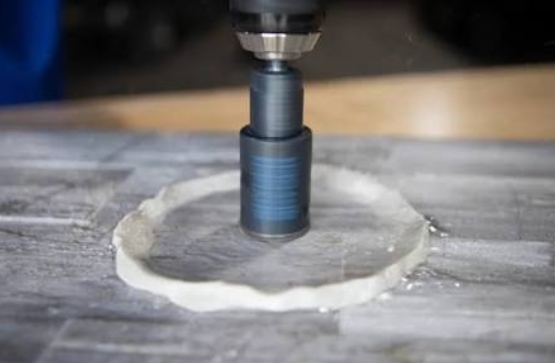
To answer the question What is a diamond hole saw?, we must understand its structure. Specifically, a diamond hole saw is a cylindrical steel tool with a cutting edge coated in industrial diamonds. Unlike ordinary hole saws with sharp metal teeth, it features a smooth, toothless design. As a result, it can easily penetrate dense, brittle surfaces without jamming.
What are Diamond Hole Saws Used For
Professionals use these tools to perform precise diamond hole drilling on hard surfaces. For example, plumbers use them to drill clearance holes in bathroom tiles for water pipes. Electricians use them to create holes in masonry walls for conduits and cables. Additionally, stoneworkers use them to cut faucet holes in granite countertops.
What is a Diamond Hole Saw Made Of
The tool consists of a hollow steel tube. Its cutting edge contains high-grade synthetic diamond particles. Manufacturers bond these diamonds to a steel using a hard metal or resin. As a result, this cutting edge can withstand extreme friction and wear.
How Does a Diamond Hole Saw Work
A diamond hole saw does not actually cut or slice through the material. Instead, it works by abrasion. As the drill bit rotates, the exposed diamonds scrape away the hard material at the microscopic level. This grinding action generates intense friction and high temperatures. Consequently, you must actively control the temperature using water or cooling wax to ensure the tool’s service life.
What Materials Can a Diamond Hole Saw Cut
Understanding exactly what materials a diamond hole saw can cut will help you avoid costly mistakes. Generally, these tools perform exceptionally well on brittle, hard surfaces where standard steel drill bits would instantly melt or become dull.
Diamond Hole Saws for Tile and Porcelain
Diamond hole saws cut ceramics and tiles with ease. Specifically, their smooth cutting action prevents brittle tile surfaces from cracking. As a result, they are standard equipment for bathroom renovation projects.
Diamond Hole Saws for Glass
Glass processing requires extremely high precision and care. Therefore, you need to use fine grit diamond hole saws for these applications. Additionally, you must always use continuous water cooling to prevent the glass from shattering.
Diamond Hole Saws for Marble, Granite, and Quartz
Natural and engineered stone are extremely dense. Therefore, for countertop and flooring applications, it is essential to use diamond hole saws with powerful cutting performance. These heavy-duty tools can quickly cut through quartz and granite.
What are the Different Types of Diamond Hole Saws
Manufacturers have designed diamond hole saws in two main configurations to suit different environments.
Wet Diamond Hole Saws
Wet diamond hole saws require a continuous flow of water during operation. The water cools the bit and flushes away grinding debris. As a result, wet tools have a much longer service life and achieve faster drilling speeds.
Dry Diamond Hole Saws
Dry diamond hole saws utilize high-temperature laser welding or internal cooling wax. As a result, they are ideal for fast on-site operations where water is unavailable. They offer exceptional convenience for indoor contractors.
How to Choose the Right Diamond Hole Saw
Choosing the right tool prevents project delays. Therefore, follow this step-by-step guide to select the perfect diamond hole saws for your projects.
Choose the Right Hole Size
First, carefully measure your installation components. You need to allow for proper clearance around the pipes rather than an extremely tight fit. Always check your project blueprints before drilling.
Match the Hole Saw to the Material
Second, match the diamond bond to the hardness of the material. Harder stones require a softer metal bond to continuously expose new diamonds. Conversely, softer materials require a harder bond.
Consider Wet or Dry Drilling
Third, assess your specific job site conditions. The choice diamond hole saw wet vs dry debate depends entirely on your environment. Specifically, interior renovation projects typically require dry bits, while workshop machining requires wet bits.
Check Tool Compatibility
Finally, check your power tool specifications. Ensure the shank fits your specific angle grinder or standard drill. Common thread types include M14, 5/8"-11, and hex shanks.
Diamond Hole Saw vs. Other Hole-Cutting Tools
How do these diamond tools compare to standard options? Here’s a quick comparison chart to guide your choice.
| Tool Type | Cutting Method | Best Suited For | Cooling Required |
|---|---|---|---|
| Standard Hole Saw | Metal teeth (slicing) | Wood, plastic, drywall | No |
| Diamond hole saw | Diamond grit (grinding) | Tile, glass, stone | Yes (or wax) |
| Diamond Core Bit | Diamond segments (grinding) | Thick concrete, asphalt | Usually wet |
Diamond Hole Saws vs. Standard Hole Saws
Standard hole saws use jagged metal teeth. Specifically, they slice through soft materials such as wood and plastic. In contrast, diamond hole saws grind dense materials such as stone and glass. Therefore, you cannot use them interchangeably.
Diamond Hole Saws vs. Diamond Core Bit
Diamond hole saws are typically shorter and feature a continuous rim. Contractors use them for thinner materials, such as tile. However, heavy-duty diamond drill bits have segmented teeth and a longer shank. As a result, they are capable of handling deep, heavy-duty concrete drilling.
How to Use a Diamond Hole Saw
First, start drilling at a 45-degree angle. This technique prevents the toothless bit from wandering on the tile. Next, once a groove has formed, slowly level the bit to a 90-degree angle. It is important to apply only very light pressure. Let the diamonds do the grinding work. Finally, keep the tool cool to prevent the diamonds from burning out.
Finding the Right Diamond Hole Saw for Your Next Project
Understanding what a diamond hole saw is will help you work smarter and faster. Using the right tool ensures clean cuts and minimizes material waste. Therefore, matching the drill bit to your specific application is crucial for success. Whether you’re working with granite slabs or installing tiles, Z-LION offers one-on-one custom manufacturing services for your business. If you need reliable, professional tools for your next project, get a quote for our custom diamond hole saws today.
Frequently Asked Questions
Do diamond hole saws need water?
Wet diamond hole saws require water to prevent overheating and remove debris. However, dry diamond hole saws use special internal wax or heat-resistant welding technology, allowing them to operate without water for short periods.
How long does a diamond hole saw last?
Their service life depends on material hardness, drilling technique, and cooling methods. With proper cooling, high-quality wet diamond hole saw can drill dozens of holes in granite, whereas dry will significantly shorten their lifespan.
Can a diamond hole saw cut porcelain without chipping?
Sure. Because they grind rather than slice, continuous-rim diamond hole saws can drill extremely smooth, chip-free holes in brittle tiles when applied with light pressure and proper water cooling.