English
 Português
 русский
 Chinese
 French
 Japanese
 Spanish

How to Maintain and Care for Diamond Saw Blades?
2025-11-14 11:20:18
admin
Proper maintenance and care of diamond saw blades is crucial, as it not only extends their lifespan but also improves cutting efficiency and ensures operational safety. Regular maintenance reduces replacement frequency and guarantees cutting quality and operational safety. Below is a detailed guide to diamond saw blade maintenance and care.
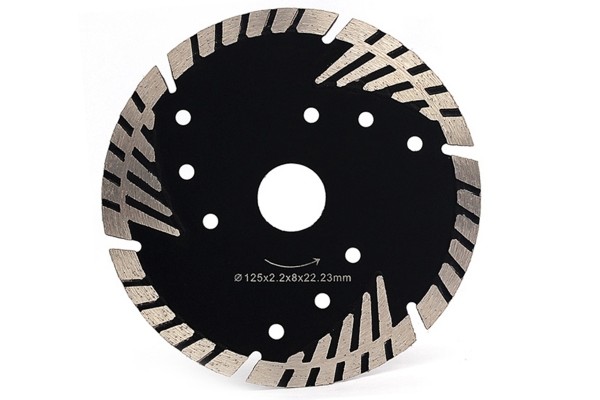
1. Visual Inspection
Check for cracks or damage:
Pre- and post-use inspection: Before and after each use, please inspect the saw blade for cracks, chips, or other physical damage. Any visible damage could cause the saw blade to break or fly off during operation, creating a serious safety hazard.
Abrasive wear: Observe the degree of wear of the diamond abrasive grains. If the abrasive grains are severely worn or missing, the saw blade may need to be repaired or replaced to maintain cutting efficiency.
2. Cleaning and Rust Prevention
Regular cleaning:
Post-Use Cleaning: After each use, clean the saw blade to remove chips, coolant residue, and other debris. Use a soft-bristled brush or compressed air for cleaning. Avoid using hard-bristled brushes or scraping tools, as they can damage the saw blade surface and affect its performance.
Rust prevention measures:
Apply rust-preventive oil: If the saw blade is not in use for the time being, it is recommended to apply rust-preventive oil to it. This helps protect the saw blade from moisture and rust.
Correct Storage Method: Store the blade flat or hang it using the inner hole. Avoid placing other objects on the blade or stepping on it to prevent deformation or damage.
Storage environment:
Dry environment: Ensure the storage environment is dry. Protect from moisture and rust, as dampness can cause corrosion and damage to the blades.
3. Processing and Grinding
Standard dressings:
Keep it sharp: Depending on usage frequency and the materials being cut, periodically use a specialized dressing tool to dress the saw blade to restore its sharpness and geometry. This process helps maintain cutting efficiency and extends the blade’s lifespan.
Uniform dressing: Ensure that the entire edge of the saw blade is dressed evenly to avoid over-sharpening certain areas and causing uneven wear.
Grinding:
Professional grinding service: When a diamond saw blade loses its sharpness and produces a rough cutting surface, it must be immediately removed from the saw table and sent for re-grinding. For severe wear or deformation, it is recommended to send it to a professional repair shop for grinding and repair to restore the saw blade to its optimal performance.
4. Inner Diameter Correction and Positioning Hole Machining
Professional services:
Inner Diameter Correction: The inner diameter correction and positioning hole machining of diamond saw blades should be performed by a professional manufacturer. This ensures operational safety and effectiveness, as improper machining can lead to instability during use.
5. Store Properly
Moisture-proof and rust-proof:
Dry environment: Store saw blades in a dry, well-ventilated environment to avoid rusting or corrosion due to moisture.
Apply anti-rust oil: For saw blades that will not be used for a long time, apply a layer of anti-rust oil to the surface to further protect them.
Avoid collisions:
Dedicated storage: Use dedicated storage racks or boxes to store saw blades, avoiding collisions with other tools or hard objects to prevent unnecessary damage.
Vertical suspension:
Vertical storage: Hang the saw blade vertically whenever possible to reduce the risk of deformation caused by laying it flat. This method helps maintain the integrity of the saw blade and ensures it is always available.
6. Use a Suitable Coolant
Choose the right coolant:
Water-based coolant: Suitable for most cutting tasks, economical and environmentally friendly.
Oil-based coolant: Provides better lubrication, suitable for high-precision and complex-shaped cutting tasks.
Flow control:
Ensure adequate coolant flow during cutting, especially during prolonged continuous operation, to prevent the saw blade from overheating due to insufficient cooling.
7. Follow Operating Procedures
Set appropriate processing parameters:
Feed rate: Set the feed rate appropriately based on the saw blade and workpiece material. Too high a feed rate may damage the workpiece or saw blade, while too low a feed rate will reduce efficiency.
Cutting speed: Select the appropriate cutting speed to ensure that the saw blade maintains good cutting performance at high temperatures.
Depth control: Layered cutting avoids excessive cutting depth each time, preventing the application of excessive pressure at once, which could damage the workpiece or saw blade.
Avoid improper operation:
Handle and polish gently, avoiding over-polishing to prevent the saw blade from becoming thin or damaged.
Maintain a uniform feed rate and avoid sudden speed changes to ensure cutting quality.
8. Replace Regularly
Degree of wear:
Replace the saw blade promptly based on its wear level and cutting quality. Avoid excessive wear to prevent affecting cutting accuracy and increasing energy consumption.
Replacement cycle:
The specific replacement cycle should be determined based on actual usage, but it is generally recommended to check the wear of the saw blade regularly and replace it as needed.
In Conclusion
Proper maintenance and care of diamond saw blades are crucial to ensuring their lifespan, efficiency, and operational safety. By conducting regular visual inspections, cleaning the blade after use, dressing and sharpening as needed, using appropriate coolant, following correct operating procedures, and replacing the blade periodically, you can significantly extend the lifespan of your diamond saw blades. With proper maintenance, these tools provide reliable and precise cutting for a wide range of applications, thereby improving work efficiency and safety.
label:
Diamond Saw Blade