English
 Português
 русский
 Chinese
 French
 Japanese
 Spanish

What Is Diamond Wire? What Are the Principles and Usage Methods?
2025-01-23 13:19:37
admin
Definition and Principle of Diamond Wire
Definition of diamond wire
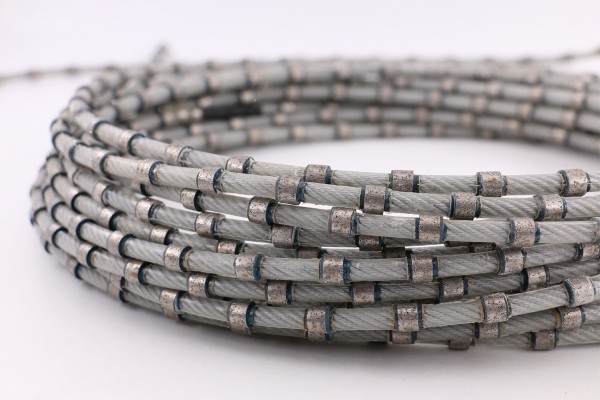
Diamond wire is a specialized cutting tool composed of diamond particles and metal powder, made through a high temperature and high pressure process. This innovative tool is usually composed of diamond particles evenly distributed along the steel strand, thus forming a flexible and efficient cutting solution. Due to the inherent hardness and wear resistance of diamonds, diamond wire is known for its excellent cutting efficiency and durability, making it the first choice for various industries such as engineering construction, quarrying, cement processing and steel cutting.
Principle of diamond wire
The main cutting mechanism of diamond wire relies on the unique properties of diamond particles. It works as follows:
Cutting action: As the diamond wire moves, the diamond particles embedded in the wire come into contact with the material being cut. The extremely high hardness of diamonds enables them to effectively penetrate and destroy the target material.
Impact and fracture: When diamond particles impact the cutting target, they create micro-cracks, which cause the material to break. This process is very efficient because the diamonds can continuously cut through the material, resulting in a smooth and precise cut.
Transmission medium: The stranded steel wire acts as a transmission medium, providing the necessary strength and flexibility to the diamond wire. This combination enables the diamond wire to conform to complex shapes and contours while maintaining cutting efficiency.
Advantages of Diamond Wire
Diamond wire offers several significant advantages over traditional cutting methods:
High efficiency: Diamond wire cuts significantly faster than conventional saws, which can reduce processing time and increase productivity.
Environmental protection: Diamond wire cutting produces less waste and dust than traditional cutting methods, making it a more environmentally friendly choice.
Energy efficiency: The efficiency of diamond wire reduces the energy required for cutting, thereby lowering operating costs and reducing your carbon footprint.
Low carbon and water-free: Many diamond wire applications do not require water cooling, thus saving water resources and minimizing environmental impact.
How to Use Diamond Wire and Precautions?
1. Preliminary preparation
Before using diamond wire, the object to be cut must be properly prepared. This preparation may include:
Drilling: Create pilot holes to guide the diamond wire and ensure accurate cutting.
Slitting: Make preliminary cuts to determine the cutting path and reduce the thickness of the material.
Grooving: Creates grooves to help the diamond wire pass through the material more easily.
Proper initial preparation helps to increase the efficiency of the cutting process and minimizes the risk of damaging the diamond wire or the material being cut.
2. Cutting operation
During the cutting operation, please follow the steps below to ensure safety and effectiveness:
Wear protective equipment: Operators should always wear appropriate personal protective equipment, including goggles, gloves, and hearing protection. These equipment provide protection from flying debris and potential injury.
Determine cutting range: Before you begin, assess your cutting target to determine the appropriate direction and angle for the cut. This assessment is critical to achieving the desired results.
Control cutting speed and intensity: Operate the diamond wire using a power saw or handheld cutter. Controlling the speed of the cut and the amount of pressure applied is critical. Too much force can cause the diamond wire to overheat and wear out prematurely, while too little pressure can result in an ineffective cut.
3. Post-cutting processing
After completing the cutting operation, it is important to perform post-cutting treatment to ensure a clean surface:
Smooth cut: Use appropriate tools to smooth the edges of the cut. This step helps avoid cracks and undulations on the cut edges, resulting in a cleaner, more professional look.
Inspect the incision: Inspect the incision for any irregularities or damage. Address any issues immediately to prevent further complications.
4. Maintenance methods
Regular maintenance of diamond wire is essential to ensure its life and performance:
Regular inspection: Regularly inspect the diamond wire for signs of wear or damage. Check if diamond particles have fallen off or if the diamond wire itself is noticeably worn.
Replace if necessary: If you find that the diamond particles are severely worn or missing, please replace the diamond wire immediately. Using damaged diamond wire will result in poor cutting results and increase the risk of accidents.
Proper storage: When not in use, please store the diamond wire in a dry and safe place to prevent damage and extend its life.
Diamond Wire Application Cases in Actual Use
1. Construction Industry
In the construction field, diamond wire is widely used to cut and repair reinforced concrete structures and other building materials. Its applications include:
Cutting reinforced concrete: Diamond wire saws can be used to precisely cut thick reinforced concrete walls, slabs and beams. This feature is particularly useful in renovation projects that require modification or demolition of existing structures.
Repairing structures: When repairing concrete structures, diamond wire can be used to make clean cuts that minimize damage to surrounding areas. This precision is essential to maintaining the integrity of the structure while making necessary repairs.
Stone cutting: Diamond wire is also used to cut natural stone such as granite and marble, which are often used in architectural and decorative applications. The ability to make intricate cuts allows for the creation of custom stone features such as countertops and exterior walls.
2. Quarrying
The quarrying industry has benefited greatly from diamond wire technology, particularly in hard rock mining and processing. Key applications include:
Quarried hard stone: Diamond wire saws are used to extract large blocks of marble, granite and other hard stones from quarries. Diamond wire saws are efficient, produce fast extractions with minimal waste, and are an affordable solution for quarry operators.
Mining operations: In mining, diamond wire is used to cut through hard geological formations to extract valuable minerals and ores. Diamond wire is able to traverse complex shapes and contours, making it ideal for a variety of mining applications.
Stone processing: After mining, the stone is processed into slabs and tiles using diamond wire. This processing is essential for the commercial use of stone for construction and design.
3. Cement industry
In the cement industry, diamond wire plays a vital role in maintaining and upgrading production lines. Its applications include:
Cutting lines: Diamond wire saws are used to cut concrete and steel components in cement plants. This function is essential for retrofitting or replacing obsolete machinery and infrastructure.
Repairing equipment: When equipment in a cement plant needs repair, diamond wire can be used to make precise cuts to facilitate maintenance without causing extensive damage to surrounding structures.
Demolition: Where demolition of old cement structures is required, diamond wire can provide a controlled and effective method of demolition without creating excessive dust or debris.
4. Steel industry
The steel industry uses diamond wire to cut and process a variety of steel materials. Key applications include:
Cutting steel pipe: Diamond wire saws are effective at cutting thick steel pipe, which is commonly used in construction and manufacturing. The precision of the diamond wire ensures a clean cut, reducing additional finishing work.
Processing steel plate: In steel manufacturing, diamond wire is used to cut and shape steel plates for a variety of uses. Its ability to process tough materials makes it a valuable tool for producing steel parts.
Recycling steel: Diamond wire technology is also used in the recycling of steel materials. By efficiently cutting scrap steel, diamond wire aids the recycling process and contributes to the sustainable development of the industry.