English
 Português
 русский
 Chinese
 French
 Japanese
 Spanish

Essential Tools for Marble Polishing and Grinding
2025-01-17 09:36:56
admin
Marble Polishing and Grinding Overview
Marble is a luxurious and durable natural stone that is a popular choice for flooring, countertops, and decorative elements in homes and commercial spaces. Known for its beauty and elegance, marble can enhance the aesthetic appeal of any environment. However, over time, marble surfaces can lose their luster due to wear, scratches, and cracks. Polishing and grinding are essential processes to restore marble to its original beauty.
The Importance of Marble Polishing and Grinding
1. Restore luster:
Marble surfaces can become dull and matte from traffic, spills, and contact with harsh cleaners. Polishing helps restore the marble's luster and enhances its visual appeal.
2. Repair the damage:
Over time, marble will develop scratches, chips and cracks that detract from its beauty. Grinding and polishing can effectively repair these imperfections and restore the surface to a like-new look.
3. Prevent further damage:
Regular maintenance through polishing and grinding can help prevent further damage to your marble surface. By addressing problems early, you can avoid more extensive repairs in the future.
4. Enhanced durability:
Polished marble has a lower porosity and is more resistant to stains and moisture, extending the life of the stone and maintaining its beauty.
Necessary Tools for Marble Polishing and Grinding
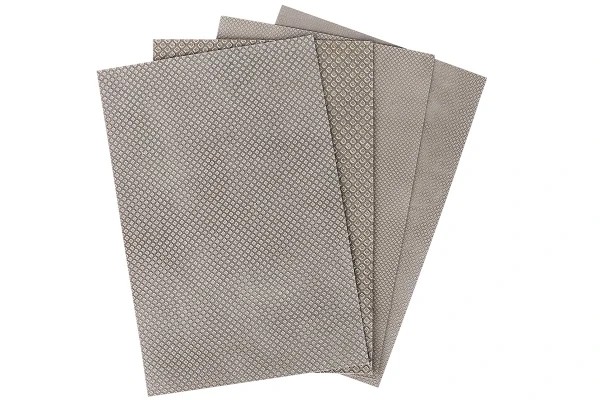
1. Sandpaper
Role in marble polishing and grinding: Sandpaper is the basic material used in the initial stages of marble polishing and grinding. It uses an abrasive action to remove blemishes, rough spots, and surface imperfections from marble.
Type and grit: The type and grit of the sandpaper has a significant impact on the polishing process. The commonly used particle size range for marble is 180 to 3000. Coarse sandpaper (180-400) is used for preliminary grinding to remove obvious imperfections, while finer sandpaper (800-3000) is used for smoothing and polishing the surface.
Prepare: In order to improve the effectiveness of the sandpaper and reduce wear on the marble surface, it is recommended to soak the sandpaper in water before use. Not only does this reduce dust, it also helps lubricate the surface, making the grinding process smoother.
2. Polishing fluid
Role in marble polishing and grinding: Polishing fluid is another essential material that helps achieve a smooth and shiny marble surface. It helps enhance the color and overall appearance of the stone.
Types of polishing fluid: There are two main types of polishes: natural polishes and chemical polishes. Natural polishes may include substances such as beeswax or oil, while chemical polishes often contain compounds designed to form a protective film on the marble surface.
Function: Polishing fluid not only smoothes the surface, but also hardens it, making it more resistant to stains and scratches. When choosing a polish, it is crucial to choose the right type based on the color and type of marble you are working on in order to achieve the best results.
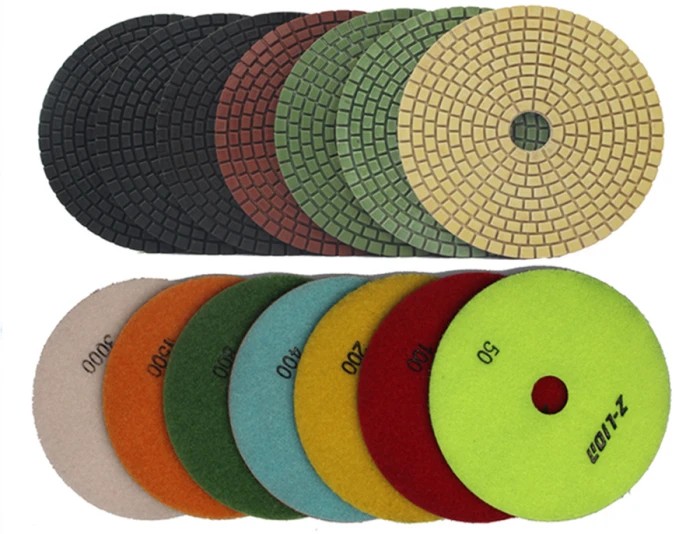
3. Polishing pad
Role in marble polishing and grinding: Polishing pads are an integral part of the polishing process as they are attached to the polishing machine and used to grind and polish the marble surface.
Types of polishing pads: There are many types of polishing pads, including hard polishing pads, soft polishing pads, and polishing felt pads. Each type of polishing pad serves a different purpose and provides different polishing results.
Material and hardness: The material and hardness of the polishing pad play an important role in the efficiency of the polishing process. Hard pads are typically used for initial grinding, while softer pads are used for final polishing to achieve a high gloss finish. Choosing the right pad based on the specific requirements of your marble surface can greatly improve the efficiency and effectiveness of your polishing process.
Marble Polishing and Grinding Method
1. Grinding:
Initial surface preparation: Lapping is usually the first step in the restoration process. It involves using a diamond abrasive pad or abrasive tool to remove the top layer of the marble, eliminating scratches, stains and uneven surfaces.
Progressive grit: The grinding process usually starts with coarse grit to remove obvious imperfections and then gradually uses finer grit to achieve a smooth surface. This step is critical in preparing the marble for polishing.
2. Polishing:
Polishing compound: After grinding, apply polishing compound to the marble surface. These polishes contain fine abrasives that help create a high-gloss finish.
Polishing pad: Specialized polishing pads are usually made of felt or other soft materials and are used with a polishing compound. The polishing pad is mounted on a polishing machine and moved across the marble surface to achieve the desired shine.
Final polish: The final step in the polishing process is to buff the surface to enhance the shine and ensure a smooth surface.
Benefits of Marble Polishing and Grinding
1. Aesthetic appeal:
Polished marble surfaces look beautiful, reflect light and enhance the overall ambience of a space. A well-maintained marble surface can significantly increase the value of a property.
2. Extend lifespan:
Regular polishing and grinding can extend the life of your marble surface, making it more durable and resistant to wear and tear.
3. Cost-effective maintenance:
Investing in professional marble polishing and grinding can save money in the long run because it will eliminate the need for expensive repairs or replacements.
4. Health benefits:
Polished marble surfaces are easier to clean and maintain, reducing the accumulation of dirt, dust and allergens, contributing to a healthier indoor environment.
In Conclusion
Marble polishing and grinding are important processes for maintaining the beauty and durability of marble surfaces. By restoring shine, repairing damage, and preventing further wear, these methods can enhance the beauty and longevity of marble. Whether in a residential or commercial setting, regular maintenance through polishing and grinding is a worthwhile investment to ensure your marble surfaces remain beautiful for years to come. For best results, it is best to consult a professional stone care specialist who has the expertise and equipment to perform these tasks effectively.