English
 Português
 русский
 Chinese
 French
 Japanese
 Spanish

Which Drill Bit Should I Use for Drilling Granite?
2025-02-07 14:49:57
admin
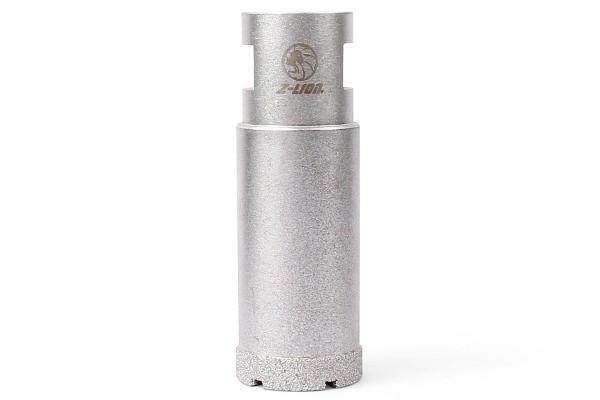
When drilling granite, choosing the right drill bit is essential to achieving efficient and effective results. Granite is one of the hardest natural stones, making it challenging to machine using standard drill bits. Therefore, diamond drill bits are the first choice for granite processing.
Why Choose Diamond Drill Bits for Granite?
1. High hardness:
Diamond drill bits are known for their exceptional hardness, which is crucial when working with hard materials such as granite. The hardness of the diamond enables these drill bits to cut through granite with ease, reducing the risk of damage to the drill bit and the workpiece.
2. Good toughness:
In addition to hardness, diamond drill bits also have good toughness, which enables them to withstand the stresses caused when drilling hard materials. This toughness helps prevent the drill bit from chipping or breaking, which can happen with less durable drill bits.
3. Multiple applications:
Diamond drill bits are not only suitable for drilling, but also for cutting, grooving and other processes. This versatility makes them a valuable tool for a variety of granite applications, including:
Drilling: Whether it is for plumbing, electrical work or decorative purposes, diamond drill bits can create precise holes in granite surfaces.
Cutting shapes: For projects that require specific shapes or designs, granite can be effectively cut using a diamond drill bit.
Grooving: When installing fixtures or accessories, the diamond drill bit can create grooves in the granite to ensure a secure fit.
4. Long service life:
One of the significant benefits of diamond drill bits is their long service life. Unlike standard steel drill bits, which wear out quickly when used on hard materials, diamond drill bits can maintain their cutting efficiency over a longer period of time. This durability means lower replacement costs and less project downtime.
Choosing the Right Drill Bit
1. Ordinary drill bit
Regular drill bits are usually made of steel and are not suitable for cutting hard stone such as granite.
Limitations: Using regular drill bits on granite is time-consuming and inefficient. These drill bits are not designed to handle the hardness of granite, resulting in excessive wear. As a result, they may become dull quickly, requiring frequent replacement and increasing project costs.
Performance: Ordinary drill bits have poor cutting performance on granite, often causing the stone to chip or crack. This can compromise the integrity of the workpiece and result in an unsatisfactory finished product.
2. High speed steel drill bit
High-speed steel drill bits go a step further than regular drill bits and are designed to improve performance.
Benefits: High-speed steel drill bits last longer than standard steel drill bits and can handle a wider range of materials. They are commonly used for drilling metals and softer materials.
Limitations: However, for granite, high-speed steel drill bits are still insufficient. While they may be able to penetrate the surface, they have difficulty adapting to the hardness of granite, resulting in overheating and possible damage to the drill bit. The risk of the drill bit bending or breaking is greatly increased when used on such a hard material.
3. Diamond drill bit
Diamond drill bits are the best choice for cutting granite due to their unique properties and design.
High hardness: Diamond drill bits are embedded with diamond particles, which are the hardest material known. This enables them to cut through granite with ease, making them the most efficient choice for this type of work.
Long service life: Due to their durable construction, diamond drill bits last much longer than regular drill bits and high-speed steel drill bits. They can withstand the rigors of drilling into hard materials without losing cutting efficiency.
Versatile: Diamond drill bits can be used for a variety of processes, including drilling, cutting, and grooving. Their ability to handle different tasks makes them a versatile tool for granite professionals.
Inlay technology: Many diamond drill bits use inlay or spray-on inlay technology to improve their performance and life. This technology ensures that the diamond particles are firmly attached to the drill bit, providing consistent cutting force throughout its service life.
How to Choose?
1. Check the surface of the drill bit
The surface quality of a diamond drill bit is a key indicator of its performance and durability.
Uniformity: High-quality diamond drill bits should have a smooth and uniform surface. This uniformity ensures even distribution of diamond particles, which is critical for consistent cutting and drilling performance.
Surface treatment: The surface treatment of a drill bit will also affect its ability to penetrate hard materials such as granite. A good surface treatment reduces friction and heat generation during drilling, resulting in smoother operation and less wear on the drill bit.
2. Look at the diamond particles
The properties of the diamond particles embedded in the drill bit play a major role in its effectiveness.
Fineness: The finer the diamond grain, the stronger the drill bit. Finer grains create a sharper cutting edge, which is essential for penetrating hard materials such as granite. Increased sharpness means higher drilling efficiency and longer service life.
Distribution: Even distribution of diamond particles is also important. A drill bit with an even distribution of particles will provide consistent cutting performance and reduce the likelihood of chipping or breaking during use.
3. Check the degree of drill bit passivation
The degree of passivation refers to the degree to which the drill cutting edge is dull or worn.
Less blunt: Drill bits with less bluntness are more efficient when drilling into hard rock. This means the cutting edge is sharper and can penetrate the granite without excessive force.
Effect on performance: If the drill bit is overly dulled, it may have difficulty cutting granite, causing overheating and possible damage to the drill bit and workpiece. Therefore, selecting a drill bit with minimal dulling is critical to achieving optimal performance.
Important Notes on Granite Drilling
1. Proper lubrication
Prevent overheating: Granite is a dense and hard material that generates a lot of heat during the drilling process. Without proper lubrication, the drill bit may overheat, causing premature wear or even failure. Using water or a specialized drilling lubricant will help cool the drill bit and reduce friction for smoother operation.
Enhanced performance: Adequate lubrication not only protects the drill bit, but also improves cutting efficiency. It helps flush away debris and dust generated during the drilling process, ensuring that the drill bit remains effective throughout the process.
2. Choose the right drill diameter
Suitability: The diameter of the drill bit should be adapted to the project requirements. Using a drill bit that is too large will cause excessive stress on the drill and the drill bit itself, while a drill bit that is too small may not provide the necessary cutting force.
Precision: Choosing the correct size ensures you can drill accurately and efficiently, reducing the risk of damaging the granite or the drill bit.
3. Maintain stability during operation
Avoid excessive force: Using excessive force can cause the drill bit to break or the granite to chip. Instead, let the diamond drill bit do the work. Steady, controlled pressure will help maintain the integrity of the drill bit and the workpiece.
Secure the workpiece: Make sure the granite block is firmly held in place during the drilling process. This stability will help prevent movement that could cause inaccuracies or damage.
In Conclusion
For granite processing, using a diamond drill bit is the best choice due to its high hardness and durability. However, to avoid damage to the drill bit or poor performance, certain precautions must be taken during the drilling process. Proper lubrication, selecting the right drill bit diameter, and maintaining stability during operation are all key factors in successful granite drilling. By following these guidelines, users can achieve efficient results while extending the life of the drill bit and ensuring quality work.
label:
diamond drill bits