English
 Português
 русский
 Chinese
 French
 Japanese
 Spanish

Resin Pads vs Hybrid Pads: Which Diamond Polishing Pad Should You Choose
2026-07-31 15:51:54
admin
Achieving a flawless finish on stone or concrete requires the exact right tools. Consequently, professionals often debate resin pads vs hybrid pads. Selecting the incorrect bond type wastes valuable time and can severely damage your materials. Therefore, understanding the distinct differences between these two polishing pads is critical for your project's success.
In this guide, we will break down the features of both options. Furthermore, we will help you determine exactly which pad suits your specific fabrication or flooring needs. Specifically, we will look at how resin polishing pads compare to hybrid alternatives in terms of speed, durability, and finish quality.
What Are Resin Diamond Polishing Pads
Resin pads are a staple in the stone fabrication and concrete polishing industries. Specifically, they utilize a resin matrix to hold diamond grits securely in place during operation.
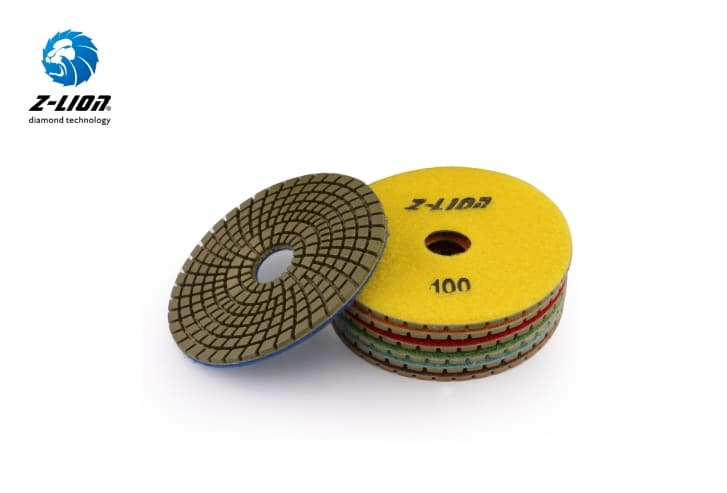
How Resin Bond Polishing Pads Work
Resin bond diamond pads work by slowly wearing away as you polish. Consequently, this controlled friction constantly exposes fresh, sharp diamond grits to your work surface. As a result, the pad delivers a highly consistent, swirl-free finish. You typically use these flexible pads at higher grit levels.
Common Applications of Resin Pads
You will use resin pads primarily for your final polishing stages. For example, they excel at bringing out a mirror-like shine on granite, marble, and concrete floors. Therefore, fabricators rely on these resin bond diamond pads when surface clarity and high gloss are the ultimate goals.
Advantages and Limitations of Resin Pads
While resin pads offer exceptional finishing capabilities, they do have specific operational boundaries. Next, let us examine their specific pros and cons.
Advantages of Resin Pads
First, they consistently produce an excellent, high-quality gloss. Second, they are generally highly cost-effective for standard finishing tasks. Finally, they provide excellent flexibility. Consequently, this makes them ideal for polishing curved edges, bullnoses, and uneven surfaces.
Limitations of Resin Pads
However, resin pads cut much slower than metal or hybrid options. Furthermore, they can wear out incredibly fast if you use them on heavily abrasive surfaces or during early grinding stages.
What Are Hybrid Diamond Polishing Pads
Hybrid polishing pads represent a major advancement in modern diamond tool technology. Therefore, they perfectly bridge the gap between aggressive metal bond pads and flexible resin pads.
How Hybrid Bond Pads Are Made
Manufacturers create hybrid bond polishing pads by combining metal powders and resin materials. As a result, this unique blend holds the diamond particles more securely than pure resin. Furthermore, it offers superior heat resistance and exceptional structural durability.
What Are Hybrid Pads Used For
You should use hybrid pads specifically for transitional polishing. Specifically, they quickly remove deep scratches left behind by aggressive metal grinding steps. Consequently, they prepare the surface perfectly for the final resin polishing stages.
Advantages and Limitations of Hybrid Pads
Understanding exactly where hybrid pads excel will dramatically improve your workflow efficiency. Let us review their specific strengths and weaknesses.
Advantages of Hybrid Pads
First, hybrid pads offer incredibly high cutting ability. Therefore, they remove deep scratches much faster than standard resin pads. Additionally, they boast a significantly longer lifespan due to the tough metal components integrated into the bond.
Limitations of Hybrid Pads
Conversely, they typically cost more upfront than standard resin tools. Furthermore, they do not produce the final, mirror-like high gloss that pure resin pads can achieve.
Resin Pads vs Hybrid Pads: Key Differences
To make the best tool choice, you must compare these options directly. Therefore, this diamond polishing pads comparison table highlights their primary operational differences.
Feature Resin Pads Hybrid Pads Bond Type Resin Hybrid bond Cutting Ability Medium High Scratch Removal Moderate Excellent Finish Quality Excellent Good Lifespan Medium Longer Best Stage Final polishing Transition polishing Cost Lower Higher
Hybrid Pads vs Resin Pads: Which One Should You Choose
Selecting the right tool depends entirely on your current project stage. Therefore, use this actionable checklist to guide your purchasing decision.
Choose Resin Pads When You Need
To achieve a final, high-gloss mirror finish.
To polish softer natural stones like marble or limestone.
A highly cost-effective solution for standard finishing steps.
High pad flexibility for polishing bullnose edges or complex profiles.
Choose Hybrid Pads When You Need
To transition quickly from heavy metal grinding to resin polishing.
To remove deep scratches efficiently from hard concrete or granite.
A highly durable pad that withstands higher operating temperatures.
To speed up your overall polishing workflow on large commercial jobs.
Can Hybrid Pads Replace Resin Pads
No, hybrid pads cannot completely replace resin pads. Ultimately, these two distinct tools serve entirely different purposes in the professional polishing process.
Specifically, hybrid pads act as transitional tools. They effectively erase metal tool scratches but leave a slightly muted finish. In contrast, you must use resin pads afterward to close the surface pores completely and generate a true polish.
Common Diamond Polishing Sequence
To achieve professional results efficiently, you should always follow this standard workflow:
Metal Bond Pads: First, aggressively grind the surface to expose aggregate or level uneven spots.
Hybrid Pads: Next, remove the deep metal scratches. This crucial step prepares the surface efficiently.
Resin Pads: Then, hone the surface to build clarity and natural color.
Final Polishing: Finally, use high-grit resin or buffing pads to achieve a brilliant mirror finish.
Final Thoughts
In summary, understanding the resin pads vs hybrid pads debate comes down to mastering your workflow. Hybrid tools excel at transitional scratch removal, while resin tools deliver the final brilliant shine. Therefore, combining both intelligently will yield the fastest, highest-quality results for your fabrication business.
At Z-LION, we manufacture premium, highly customized diamond tools for global professionals. If you need reliable solutions for your next concrete or stone project, we are ready to help. Please contact our technical sales team today to request a custom quote or discuss your specific application needs.
Frequently Asked Questions
Are hybrid polishing pads better than resin pads?
They are not objectively better; they are simply different. Hybrid pads excel at fast scratch removal during transition phases. Meanwhile, resin pads remain undeniably superior for achieving a final, high-gloss finish.
Do I need resin pads after using hybrid pads?
Yes. Hybrid pads successfully leave a honed, functional finish but cannot produce a mirror shine. Therefore, you must always follow up with higher grit resin pads to achieve maximum clarity and gloss.
Are resin pads suitable for stone polishing?
Absolutely. Fabricators use resin bond diamond pads extensively for polishing granite, marble, quartz, and engineered stone. Specifically, they provide the flexibility and fine grit necessary to polish intricate edges and flat surfaces beautifully.