English
 Português
 русский
 Chinese
 French
 Japanese
 Spanish

How to Tell if a Diamond Saw Blade is Dull: A Professional Guide
2026-06-12 16:10:44
admin
Knowing how to tell if a diamond saw blade is dull can save your project valuable time and prevent costly tool damage. When you work on demanding jobsites, tool efficiency directly impacts your bottom line. Consequently, recognizing early warning signs of a worn blade keeps your operations running smoothly. Selecting a high-quality diamond blade selection is the first step toward achieving clean, precise cuts. However, even the best tools require regular inspection. This technical guide outlines how to identify dullness, troubleshoot performance drops, and restore your cutting edge.
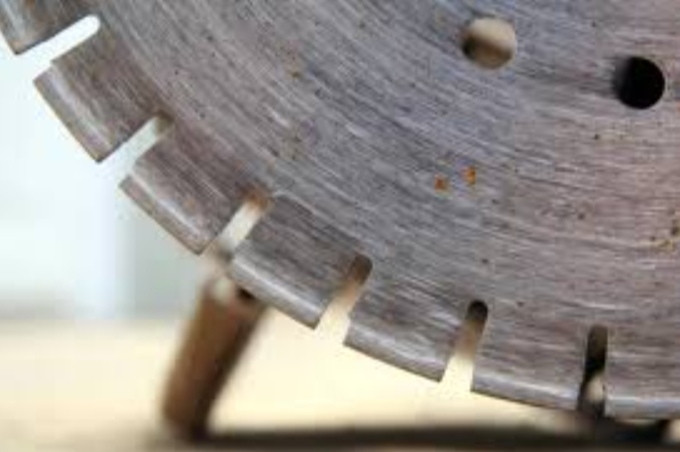
Visual Signs on a Dull Diamond Blade
Before you start your next cut, a physical inspection can reveal critical wear patterns. Identifying these visual cues prevents unexpected blade failure.
Segment Wear and Loss of Diamond Grit
A healthy blade features exposed diamond crystals embedded within the metal bond. Over time, these diamonds wear away or pop out of the matrix. If you look closely at the segment and see only smooth metal without any rough, protruding diamond grit, your blade is dull. Therefore, the cutting action stops, and the blade merely rubs against the material.
Blade Glazing
Glazing happens when you cut highly hard materials that do not wear down the metal matrix. As a result, the metal bond melts and smears over the diamonds. The blade segment looks polished, smooth, and highly reflective. When glazing occurs, the blade cannot cut because no fresh diamonds are exposed.
Discoloration and Heat Damage on the Steel Core
Excessive friction creates intense heat. If you notice a blue or dark discoloration on the steel core, the blade has overheated. This heat damage often happens when a dull blade continues to run without cutting, compromising the structural integrity of the steel.
Performance Red Flags During Operation
In addition to visual checks, you should pay attention to how the tool behaves during operation. Changes in performance provide immediate feedback about the condition of your blade.
Noticeable Decrease in Cutting Speed
A sharp blade slices through concrete, stone, or masonry steadily. In contrast, a dull blade slows down significantly. If you find yourself pushing harder to make progress, stop cutting immediately. Applying extra force does not speed up the cut; instead, it damages the saw motor and warps the core.
Excessive Vibration and Unusual Noise
When the diamond grit is gone, the blade bounces against the material instead of cutting it. Consequently, you will feel excessive vibration through the saw handles. Additionally, you will hear a loud, high-pitched screeching sound rather than the consistent hum of a clean cut.
Increased Sparking or Smoking
While cutting, a small number of sparks is normal. However, a dull blade produces a constant stream of bright sparks because the metal matrix is grinding directly against the hard aggregate. If you cut dry, you might also notice smoke, which signals dangerous heat levels.
Poor Cut Quality and Chipping
Are your cuts leaving jagged edges? A dull blade fractures brittle materials like porcelain, tile, or granite rather than cutting them. To maintain clean edges, you must ensure your diamonds remain sharp and exposed.
Troubleshooting Matrix: Blade Wear Symptoms and Solutions
To help you diagnose problems quickly on the jobsite, use this troubleshooting guide.
Wear Symptom Likely Cause Recommended Action Smooth, polished segments Blade glazing from hard material Dress the blade with an abrasive stone Blue discoloration on core Lack of water or forcing a dull blade Allow blade to cool; check water flow Jagged edges / chipping Blade is dull or bond is too hard Dress the blade or switch to a softer bond Fast segment wear Core material too abrasive for soft bond Switch to a harder-bonded blade
For high-volume projects, choosing the correct specification from our industrial diamond blades ensures your segments wear at the correct rate.
How to Restore a Dull Diamond Blade
Fortunately, a dull blade does not always mean you need to discard it. You can often restore the cutting edge through a process called dressing.
The Dressing Process
Dressing strips away the glazed metal layer, exposing a fresh layer of sharp diamond grit beneath.
Choosing the Right Dressing Material
To dress a blade, you need an abrasive, soft material. Excellent choices include silicon carbide dressing stones, asphalt, or soft sandstones. Do not use hard masonry or concrete for this process.
Step-by-Step Dressing Technique
Mount the glazed blade onto your saw securely.
Set the saw to run at its standard operating speed.
Make three to five shallow cuts into your chosen dressing material.
Turn off the saw and inspect the segments; you should feel a rough texture again.
Knowing When to Replace the Blade
Dressing only works if there is still diamond segment remaining. If the segments have worn down to the steel core, dressing will not help. At this stage, you must replace the blade to avoid catastrophic failure.
Conclusion
In conclusion, learning how to tell if a diamond saw blade is dull keeps your projects on schedule and protects your machinery. By checking for segment wear, glazing, and heat damage, you can take action before a blade fails. Remember to dress glazed blades to extend their life, and match your blade bond to the material you are cutting.
When you need reliable, long-lasting performance for demanding commercial projects, choosing the correct tooling is essential. Our team of product experts can help you select the ideal specifications for your specific application. To find the right match or get custom pricing for your inventory, request a technical quote from our team today.
Frequently Asked Questions
Can you sharpen a diamond blade with a grinder?
No, you should not use a grinder to sharpen a diamond blade. Grinders can damage the segment geometry and compromise safety. Instead, use an abrasive dressing stone to open up a glazed blade.
How long should a diamond saw blade last?
Blade lifespan depends on the material being cut, the saw power, and whether you cut wet or dry. Generally, a high-quality blade can last for several dozen hours of active cutting when used correctly.
Why is my new diamond blade not cutting?
If a brand-new blade is not cutting, the bond is likely too hard for the material. The metal matrix is not wearing away to expose the diamonds. Try dressing the blade or switching to a softer bond specification.