English
 Português
 русский
 Chinese
 French
 Japanese
 Spanish

Segmented Diamond Blade Buying Guide for Concrete, Stone & Masonry
2026-05-22 15:25:40
admin
If you are comparing a segmented diamond blade for concrete, stone, or masonry, you usually need one answer fast: which blade will cut efficiently without wasting time or money. A segmented diamond blade is often the best choice when you need aggressive cutting, better cooling, and dependable performance on tough jobsite materials. For a quick starting point, you can review Z-LION diamond blade before matching specs to your application.
This guide helps you choose the right segmented diamond blade based on material, machine, and cutting conditions. As a result, you can reduce downtime, control blade wear, and make a better buying decision for your next project or supply order.
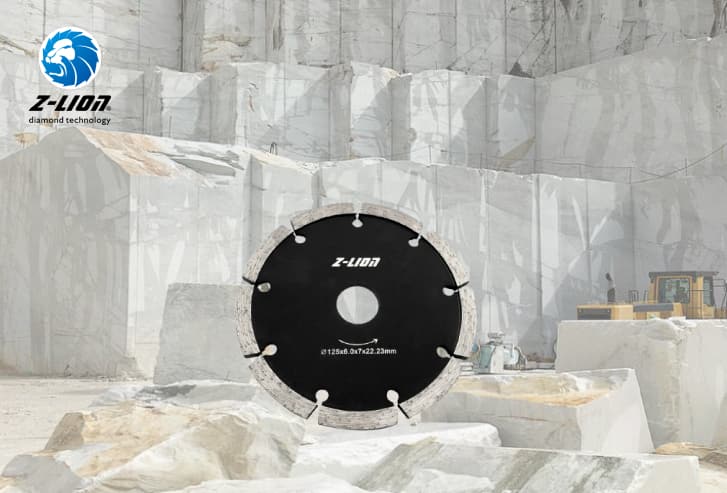
What is a Segmented Diamond Blade
A segmented diamond blade is a diamond cutting blade with separated rim sections. Those gaps between segments improve airflow and help clear dust and slurry during cutting. Therefore, a segmented diamond blade usually runs cooler than a continuous rim blade.
You will often choose a segmented diamond blade when cutting:
Concrete
Reinforced concrete
Brick
Block
Granite
Masonry stone
The main advantage is speed. In contrast, a continuous rim blade focuses more on finish quality. If your priority is production efficiency on hard or abrasive materials, a segmented diamond blade usually makes more sense.
What is a Segmented Diamond Blade Used For
A segmented diamond blade works best on demanding construction and stone applications. It is common in roadwork, masonry, demolition, and fabrication support work.
Typical applications include:
Concrete cutting: slabs, pavers, curbs, precast parts
Masonry cutting: brick, block, and general site materials
Stone cutting: granite and some natural stone products
Structural work: reinforced sections when the bond matches the material
You can use a segmented diamond blade for dry cutting or wet cutting, depending on the blade design and machine. However, you should always check the blade label and machine rating first.
Segmented Diamond Blade vs Turbo vs Continuous Rim Blade
Choosing the wrong blade type creates heat, slow cuts, and uneven wear. The table below gives you a fast comparison.
Blade Type Best For Cutting Speed Finish Quality Cooling Typical Use Segmented diamond blade Concrete, brick, block, granite Fast Rougher Excellent Construction, masonry, heavy-duty cutting Turbo blade General construction, some stone Medium-fast Better Good Mixed use where speed and finish both matter Continuous rim blade Tile, porcelain, ceramic Slower Smoothest Moderate Finish-sensitive cuts
A segmented diamond blade is the right choice when you value speed, debris removal, and durability. In contrast, a continuous rim blade is better when edge quality matters more than cutting speed.
How to Choose the Right Segmented Diamond Blade
A segmented diamond blade should match your material, machine, and operating conditions. Use this step-by-step guide.
Match the blade to the material
Start with the material, not the machine.
Reinforced concrete: Use a segmented diamond blade designed for concrete with a bond that handles steel exposure.
Brick and block: Choose a blade built for abrasive masonry materials.
Granite and hard stone: Select a segmented diamond blade with the right bond for hard, dense stone.
Mixed materials: Choose a versatile construction-grade blade if you cut several materials in one job.
Match the blade to the machine
Common machine types include:
Angle grinders
Hand-held cut-off saws
Masonry saws
Walk-behind saws
Check three things every time:
Blade diameter
Arbor size
Maximum RPM
If your machine and blade do not match, the segmented diamond blade may cut poorly or become unsafe.
Decide between dry and wet cutting
Dry cutting improves mobility. Wet cutting controls dust and heat better. Therefore, for long cuts or high-volume work, wet cutting often extends segmented diamond blade life.
Review segment height and bond
Higher segments can support longer blade life. Bond hardness also matters:
Hard bond: Better for abrasive materials
Soft bond: Better for hard materials
That rule helps the segmented diamond blade expose fresh diamond efficiently during use.
Conclusion
The right segmented diamond blade depends on four things: material, machine, cutting method, and bond specification. If you match those correctly, you get faster cuts, lower wear, and better jobsite efficiency.
If you need help choosing a segmented diamond blade for concrete, granite, brick, or masonry, the most efficient next step is to view Z-LION diamond blade specifications and request a quote. Share your blade size, machine type, cutting material, and wet or dry use, and you can get a more accurate recommendation for your project or distribution plan.
FAQs
What is a segmented diamond blade used for?
A segmented diamond blade is used for cutting concrete, brick, block, granite, and other masonry materials. It is best for fast, aggressive cutting where cooling and debris removal matter.
Can a segmented diamond blade cut concrete?
Yes. It is one of the most common choices for concrete cutting. For reinforced concrete, you should choose a blade designed for both concrete and steel exposure.
Is a segmented diamond blade better for dry cutting?
Segmented diamond blades often perform well in dry cutting because the segment gaps improve airflow. However, wet cutting usually reduces dust and heat and may extend blade life.
What is the difference between segmented and continuous rim blades?
A segmented diamond blade cuts faster and handles heavier materials better. A continuous rim blade produces a smoother finish and works better on tile, porcelain, and finish-sensitive materials.
How do I choose the right segmented diamond blade size?
Choose your desired size based on your machine specifications, cutting depth, arbor size, and maximum RPM. Always match the blade to both the machine and the material.
Can I order custom segmented diamond blades from Z-LION?
Yes. Z-LION can support B2B buyers who need a segmented diamond blade customized for machine type, material, market demand, or private label programs.