English
 Português
 русский
 Chinese
 French
 Japanese
 Spanish

Safety Guide for Stone Cutting Machines: Protect Your Team, Perfect Your Cut
2026-05-09 17:26:24
admin
In any professional stone fabrication workshop, the power of a diamond cutting machine is undeniable. This power transforms raw slabs into precision products but also demands an unwavering commitment to stone cutting machine safety. An accident carries a devastating human cost and leads to costly downtime and project delays.
A truly efficient operation understands that protecting your team is the first step to achieving a perfect cut. This guide provides an actionable framework, focusing on the professional procedures and tooling choices that define a safe, productive workshop. Because leadership begins with innovation, ensuring safety starts with using reliable, high-performance diamond tooling designed for your specific application.
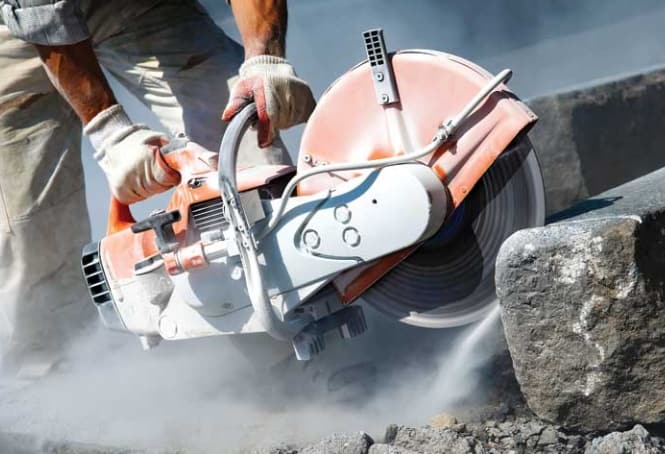
The Pre-Operation Safety Checklist: Your First Line of Defense
Before making a single cut, a systematic check is non-negotiable. Complacency is the biggest threat in a workshop. Therefore, you must integrate this checklist into your daily standard operating procedure to enforce consistent stone cutting machine safety.
Personal Protective Equipment (PPE) is Mandatory:
Respiratory Protection: This is your most critical defense. Cutting stone releases crystalline silica dust. A simple dust mask is insufficient. A fitted N95 respirator is the minimum; a half-mask with P100 filters is the professional standard for daily use to comply with safety regulations.
Eye and Face Protection: Wear ANSI-rated safety glasses with side shields or a face shield to block high-velocity chips and slurry.
Hearing Protection: Stone cutting machines easily exceed noise levels that cause permanent hearing damage. Earmuffs or earplugs are mandatory.
Hand & Foot Protection: Use waterproof, cut-resistant gloves and steel-toed, slip-resistant boots.
Machine & Blade Inspection is Crucial:
Guards: Confirm all blade and splash guards are secure and functioning. Never operate a machine with a guard removed.
Emergency Stop: Locate the E-stop button. Ensure it is unobstructed and test its function before starting work.
Blade Condition: Visually inspect the diamond blade for cracks, missing segments, warping, or signs of overheating (discoloration). A compromised blade can disintegrate at operating speed.
Blade Mounting: Ensure the blade is mounted securely, the arbor nut is tight, and the blade’s maximum RPM rating exceeds your machine's operating RPM.
Work Area Integrity Must Be Maintained:
Clear Floor: The area around the machine must be free of debris, tools, and excess water to prevent slips, trips, and falls.
Water Supply: For wet cutting, confirm water lines are secure and providing adequate flow to both sides of the blade. If you see dust, your water flow is insufficient.
The Heart of the Machine: Why Diamond Blade Safety is Non-Negotiable
A leading cause of machine failure and injury is a blade-material mismatch. Using a damaged or incorrect blade is a significant, unnecessary risk. Proper diamond blade safety is a pillar of workshop security.
First, inspect the blade before every shift. Never mount a blade showing any sign of damage. Second, you must select the right blade for the material. The rise of ultra-compact, high-density materials has made this more critical than ever.
For example, are you cutting traditional granite or a sintered stone slab? Each requires a blade with a specific diamond bond. Using a granite blade on hard ceramic can cause it to bind, leading to dangerous kickback, blade failure, or a ruined workpiece. Choosing the correct diamond cutting tool is a fundamental part of stone cutting machine safety.
Wet vs. Dry Cutting: A Critical Decision for Health and Safety
Your cutting method directly impacts operator health. While some niche jobs may require dry cutting, wet cutting should be your default procedure for silica dust protection. Health and safety regulations are increasingly strict about silica exposure, making wet cutting the required industry standard.
This table highlights why wet cutting safety is superior.
Feature Wet Cutting Dry Cutting Dust Control Excellent. Water captures silica at the source. Poor. Requires extensive, costly extraction systems. Blade Life Longer. Water cools the blade, reducing wear. Shorter. Blade can overheat and fail prematurely. Cut Quality Superior. Less chipping and a smoother finish. Acceptable. Higher risk of chipping and burn marks. Operator Health Safer. Drastically reduces airborne silica risk. High Risk. Poses a significant long-term health hazard.
As a result, always prioritize wet cutting. A continuous flow of water covering the blade-stone contact point is one of the most effective safety measures you can implement.
Beyond the Basics: How a Trusted Partner Enhances Your Safety
Following procedures is essential, but stone cutting machine safety also depends on the quality of your tools. Partnering with a specialist manufacturer provides a crucial layer of security.
Working with a specialist OEM/ODM partner provides reliability. As a "New Third Board" listed enterprise, Z-LION's strict quality control ensures every tool performs predictably, reducing the risk of failures common with generic blades. Our one-to-one customization service eliminates the guesswork. We engineer the correct tool for your specific machine and material, preventing the dangers associated with using an ill-suited blade.
For international buyers, we build trust through transparency. With support for 7 languages and a 360° Panorama Factory Tour on our website, you can verify our capabilities before placing an order.
Secure Your Workshop and Perfect Your Cut
Ultimately, stone cutting machine safety is a system of operator diligence, consistent procedures, and superior tooling. By following a daily checklist and choosing the right blades, you protect your most valuable asset: your team. This commitment to safety provides the foundation for greater precision, efficiency, and profitability.
If you are ready to equip your team with tools engineered for safety and peak performance, our experts are here to help you select or customize the perfect diamond tool for your needs. Request a custom quote right now!
Frequently Asked Questions (FAQ)
What are the most common injuries from stone cutting machines?
The most common injuries are severe cuts from blade contact, eye injuries from flying debris, and crush injuries from unsecured slabs. The most serious long-term health risk is silicosis from inhaling silica dust.
How often should a diamond blade be inspected?
Visually inspect the blade before each shift for obvious damage like cracks or missing segments. Conduct a more thorough check during blade changes.
Can I dry cut stone if I have good ventilation?
No. Even with good ventilation, dry cutting poses a significant silica dust risk. Wet cutting is the industry standard for safety and compliance, effectively capturing dust at its source.