English
 Português
 русский
 Chinese
 French
 Japanese
 Spanish

Types of Stone Finishes Explained: Polished, Honed & More
2026-04-17 15:40:20
admin
Selecting the right natural stone is just the first step in creating the perfect space. Then, choosing the correct type of stone finish is like adding the finishing touch to this canvas. Different stone finishes affect the appearance, texture, durability, and maintenance of the stone. To achieve a high-quality result, especially a smooth polished surface, you need professional tools. You can start with good-quality diamond polishing pads.
Whether you’re selecting stone for kitchen countertops, bathroom floors, or outdoor patios, it's important to understand the features of various stone finish types. This article will provide an in-depth look at the most popular stone finishes to help you make the most informed decision.
We categorize stone finishes into two main groups: smooth and fine finishes, and textured finishes.
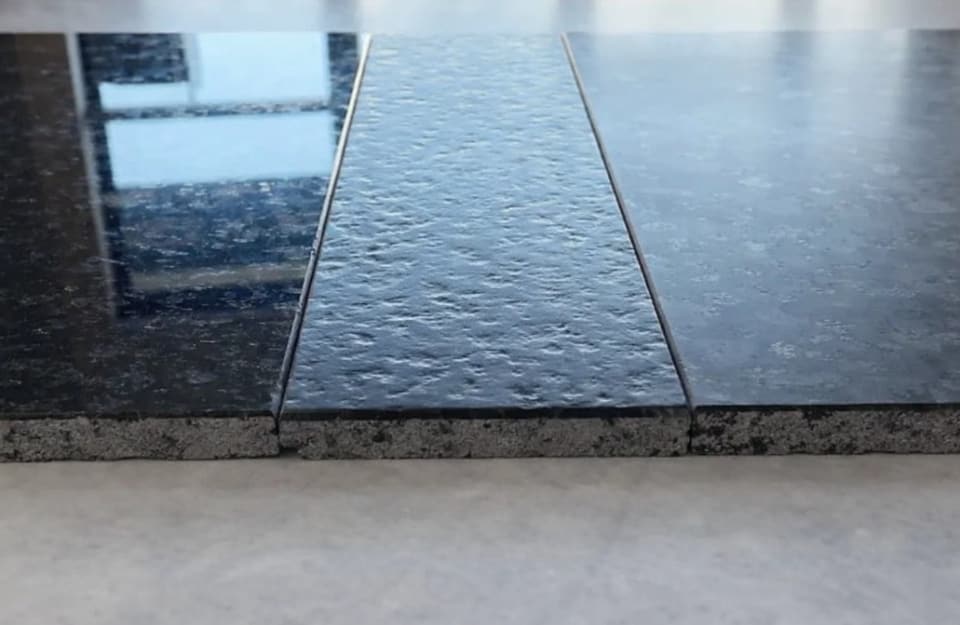
Smooth & Fine Finishes
These finishes have a flat surface with elegant sheen and smooth texture.They are a popular choice for both modern and classic designs.
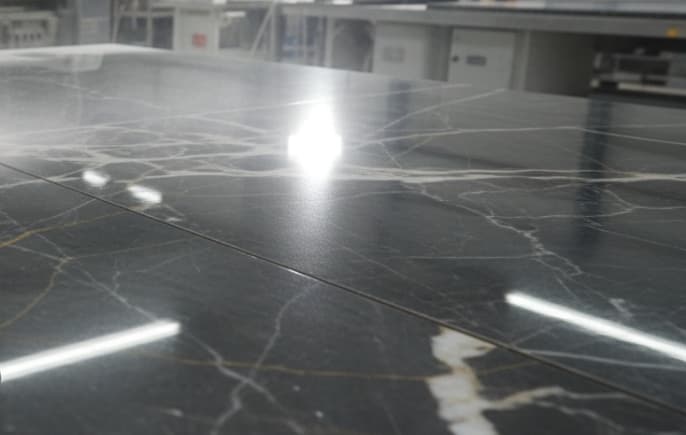
1. Polished Finish
The polished finish is the most widely recognized type of finish. It maximizes the stone’s natural color, texture, and depth, producing a mirror-like high gloss. This stunning effect is achieved through multiple meticulous grinding and polishing processes.From coarse grinding to fine polishing, you need a range of diamond polishing pads with different grit levels. It is essential for achieving a smooth, mirror like finish.
Appearance and Feel: Smooth, reflective, and rich in color.
Advantages: It highlights the stone’s most luxurious qualities. It has a dense surface with relatively good stain resistance and is easy to clean.
Applications: Kitchen countertops, accent walls, bathroom vanities, and other indoor spaces.
Precautions: The surface is smooth and slippery when wet; thus, it is not recommended for bathroom floors. The high gloss also makes it prone to showing scratches and corrosion marks from acidic substances.
2. Matte/Honed Finish
The honed finish is the exact opposite of the polished finish. It is also ground, but the final step does not involve polishing, resulting in a smooth, non-reflective matte or low-gloss surface.
Appearance and Texture: Smooth and non-reflective, with a soft, velvety texture.
Advantages: Soft, non-glare light. Better at concealing scratches and water stains. Superior slip resistance compared to polished surfaces.
Applications: Flooring (especially in high-traffic areas), stairs, bathroom floors, and kitchen countertops.
Precautions: Because the surface pores are more open, it stains more easily than polished stone. It also needs proper sealing and protection
3. Satin Finish
The satin finish is an option that falls between polished and matte finishes. It possesses a subtle, soft sheen reminiscent of silk. It is neither as dazzling as a polished surface, nor as completely non-reflective as a matte finish.
Appearance and Feel: Smooth with a soft sheen.
Advantages: Combines aesthetics with practicality. Hides fingerprints and minor scratches. Relatively easy to maintain.
Applications: Various indoor countertops and flooring, particularly suitable for modern designs that avoid strong reflections.
Richly Textured Finishes
These finishes create unique textures on the stone surface through various physical or chemical processes. What's more, they produce a strong visual impact and a distinct tactile feel. They are often used to create natural, rustic, or distinctive styles.
4. Leathered / Brushed Finish
The leathered finish is an increasingly popular option.It is made by polishing the stone surface with diamond-tipped brushes. This creates a textured finish that is still soft to the touch, similar to leather.
Appearance and Feel: The surface features a textured, undulating pattern with a warm, soft feel and a low gloss.
Advantages: Effectively conceals scratches, stains, and fingerprints. Offers good slip resistance. Adds unique depth and character to the stone.
Applications: Kitchen countertops, bar counters, outdoor tabletops, accent walls.
5. Flamed Finish
The flamed finish is created by rapidly heating the stone’s surface with high-temperature flames. This process causes the crystals to shatter and form a very rough, irregular texture.
Appearance and texture: The surface is rugged and uneven, with a slightly rough texture to the touch.
Advantages: Excellent slip resistance, a rustic and natural appearance, and exceptional durability.
Applications: Outdoor flooring, courtyards, plazas, stair treads, and other areas requiring high slip resistance.
6. Bush Hammered / Pineapple Finish
Traditionally, this finish was created by hand using a hammer with a head shaped like lychee skin to strike the stone surface. In modern stone processing, a bush hammer roller is often used to create a consistent texture on a large scale. It is mounted on a machine and works efficiently. As it rotates, carbide-tipped gears strike the surface to form uniform indentations across the stone. The bush hammered finish has a finer grain, while the Pineapple Finish is coarser and more uneven.
Appearance and Texture: The surface is covered with dense pits, creating a rough texture resembling the skin of a lychee.
Advantages: Significant anti-slip properties; effectively reduces glare; creates a solid, rustic aesthetic.
Applications: Sidewalks, walls, sculptures, decorative moldings, and outdoor anti-slip flooring.
7. Acid-Washed Finish
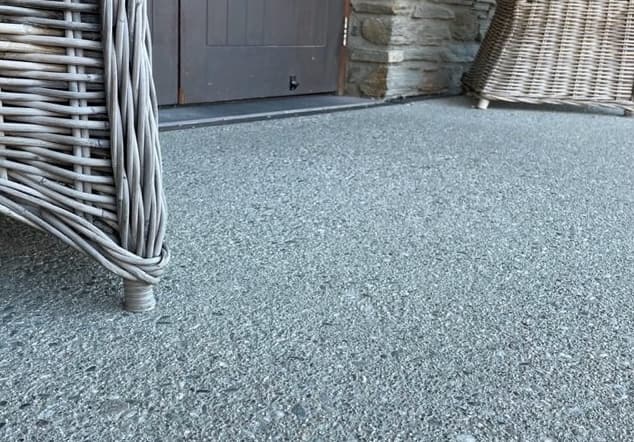
The acid-washed finish is created by etching the stone surface with strong acids to produce a natural, subtly weathered antique effect. It is more rustic than a polished finish and more refined than a flame-treated finish.
Appearance and Texture: The surface features subtle etching marks, presenting a vintage, weathered appearance.
Advantages: Enhances slip resistance while giving the stone a unique, aged appearance.
Applications: Vintage-style flooring, walls, and bathrooms.
How to Choose the Most Suitable Stone Finish for Your Project?
With so many types of stone finishes available, how do you choose? Consider the following three key factors:
Application
High-traffic floors: Prioritize matte, leather, or flamed finishes.
Kitchen Countertops: Polished finishes are easy to clean; honed and matte finishes better conceal signs of wear.
Bathrooms: Polished finishes are suitable for walls, but matte or honed finishes are strongly recommended for floors to prevent slipping.
Outdoor spaces: Flamed and textured finishes are the best choices for balancing aesthetics and slip resistance.
Design Style
Modern Luxury: Polished and satin finishes.
Industrial/Natural Style: Leather-textured and flamed finishes.
Vintage: Honed and antique finishes.
Maintenance
Easy to Clean: Polished finishes.
Hides imperfections: Textured finishes such as leather-textured surfaces.
Protection Requirements: Sealing is recommended for all natural stone.
Conclusion
Understanding the various stone finishing types is the first step toward making the right choice. The final finish depends not only on the process itself but also on the technician’s skill and the tools used.
Whether you are creating a brilliant polished finish or working on large textured surfaces, the key is using high-quality tools. This includes diamond polishing pads and professional textured finishing wheels. They are essential for achieving a consistent, high-quality result.
If you are a stone processor, contractor, or distributor looking for high-performance polishing and grinding tools, feel free to contact us. Contact us today to request a quote for your project needs!