English
 Português
 русский
 Chinese
 French
 Japanese
 Spanish

Analyze the Difference Between Grinding and Polishing
2025-08-29 11:02:03
admin
In the field of surface treatment technology, grinding and polishing are two important techniques with distinct applications. While both aim to improve surface quality, they differ significantly in their methods, tools, and results. This article will examine the differences between grinding and polishing from various perspectives.
Definition and Purpose
Grinding
Grinding is a mechanical process used to remove surface irregularities and impurities from a material. The main purpose of grinding is to improve the surface quality of the material and prepare it for subsequent processing or application. This technology is particularly suitable for:
Remove surface roughness: Grinding can effectively remove rough spots, burrs and other defects on the material surface.
Forming and sizing: It can also be used to shape materials into specific sizes, making it an essential step in the manufacturing process.
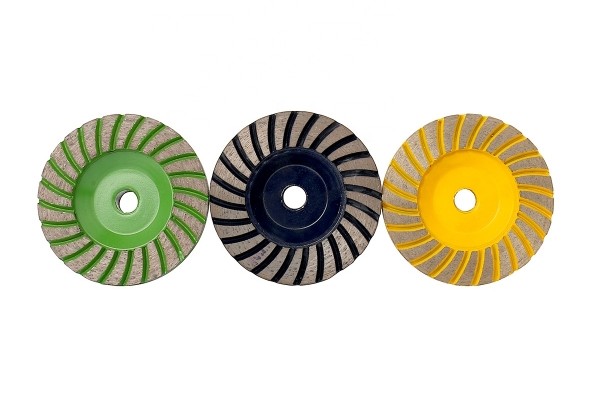
Common tools used in grinding include grinding wheels, cup wheels, and bench grinders. These tools move at high speeds and apply pressure to the surface, effectively removing material.
Polishing
Polishing, on the other hand, is a technique focused on further improving the surface finish and smoothness of a material. The main goal of polishing is to achieve a high-gloss, highly reflective surface. The process involves:
Refine the surface: Polishing removes tiny surface irregularities and scratches remaining after grinding, resulting in a smoother, brighter surface.
Enhanced aesthetics: Polished surfaces are generally more visually appealing, making polishing an important step in industries where appearance is important, such as automotive, jewelry, and flooring.
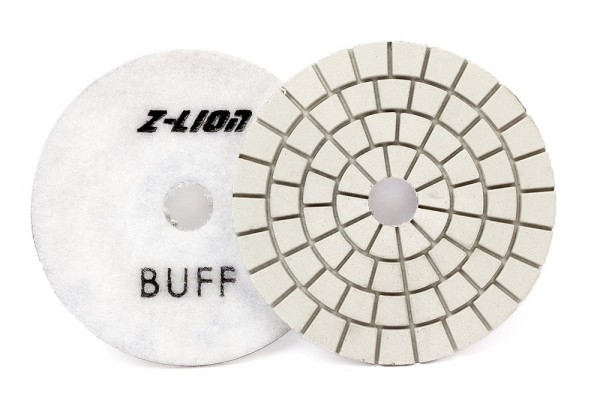
Polishing media, such as polishing pads, cloths, and fine sandpaper, are typically used in this process. These materials achieve the desired finish through friction and sometimes chemical reaction.
Tools Used
Grinding tools
Grinding Wheels: These are round tools attached to a grinding wheel and are used to remove heavy materials.
Cup Wheel: Cup wheels are designed for grinding flat surfaces and are effective at smoothing and shaping materials.
Bench Grinders: These stationary machines are used for grinding tools and lapping small parts.
Polishing tools
Polishing pads: These are soft pads that can be used with a polishing machine to achieve a high-shine finish.
Cloth: During manual polishing, a soft cloth is usually used to polish the surface.
Fine sandpaper: For final touches to remove any scratches left after grinding.
Achievements
Grinding results
The result of lapping is a surface that is smoother than before, with most surface irregularities removed. However, because lapping is not intended to create a reflective surface, the surface may still appear dull or matte. The main purpose of lapping is to prepare the surface for subsequent processing, such as polishing or coating.
Polishing results
Polishing creates a high-gloss, reflective finish, enhancing the material’s aesthetic appeal. Polishing not only improves surface smoothness but, in some cases, adds a layer of protection against wear and corrosion. The resulting product is typically characterized by its sheen and clarity, making it ideal for applications where appearance is paramount.
Process Steps
Grinding process steps
The grinding process generally consists of three main stages:
1. Coarse grind
Rough grinding is the initial stage of the grinding process. The primary goal here is to remove significant surface irregularities, impurities, and material defects. This is achieved using a high-speed rough grinding tool, such as a grinding wheel or cup wheel. By eliminating major defects, the rough grinding stage prepares the material for further finishing.
2. Fine grinding
After rough grinding, the fine grinding stage further improves the surface quality. Here, finer grinding tools are used to smooth the surface left by rough grinding. Fine grinding helps reduce the depth of scratches and prepares the material for the final polishing stage. This step is crucial for achieving a more uniform surface texture and improving the overall quality of the material.
3. Polishing
The final stage of the grinding process is polishing, which provides the final touches to achieve the desired surface quality. During this stage, polishing pads or finer abrasive tools are used to create a smooth, reflective surface. Polishing removes any remaining minor imperfections and enhances the material’s aesthetic. The resulting surface is not only smooth but also aesthetically pleasing.
Polishing process steps
The polishing process, while similar in its goal of achieving a smooth surface, involves different stages:
1. Pre-polishing
Pre-polishing is the first step in the polishing process. This stage removes burrs, scratches, and any surface irregularities that may remain after grinding. Pre-polishing ensures the surface is as smooth as possible before core polishing, laying the foundation for the final polishing stage.
2. Final polishing
Final polishing is the core step in the polishing process. During this stage, a polishing medium, such as a polishing pad or fine sandpaper, is used to remove minor surface irregularities and scratches. The friction between the polishing medium and the material helps achieve a smoother and more polished finish. This step is crucial for achieving the desired surface aesthetics and reflective properties.
3. Final touches
The finishing touches of the polishing process may include additional buffing or the application of a polishing compound to enhance the surface’s gloss and smoothness. This step not only ensures a beautiful finish but also creates a protective layer against long-term wear.
Application
Application of grinding technology
Grinding technology is widely used in the processing of materials such as metals, ceramics and glass. The following are some of the main applications:
1. Metalworking
In the metalworking industry, grinding is commonly used to remove surface irregularities, scale, and burrs from castings, forgings, and other rough components. This process is essential for:
Surface preparation: Grinding prepares metal surfaces for further processing, such as coating, welding or assembly.
Achieve Tolerances: Precision grinding is used to achieve tight tolerances and smooth surfaces on parts, ensuring they meet specific engineering requirements.
2. Ceramic processing
Grinding plays a vital role in the production of high-precision ceramic parts. Applications include:
Manufacturing components: Grinding is used to shape and finish ceramic components used in various industries, including electronics, aerospace, and medical devices.
Achieving surface quality: The grinding process helps produce ceramics with the required surface finish and dimensional accuracy, which is crucial for their performance in the application.
3. Glass processing
In the glass industry, grinding is used to manufacture high-precision products such as optical glass. Key applications include:
Optical components: Grinding is used to shape and finish lenses and prisms, ensuring they meet stringent optical quality standards.
Surface preparation: Grinding prepares the glass surface for further treatment, such as polishing or coating, thereby enhancing its durability and performance.
Application of polishing technology
Polishing technology is widely used in fields that require high surface quality. The following are some applications worth noting:
1. Optical instruments
In the field of optical instruments, polishing is crucial to ensure the smoothness and glossiness of lens surfaces. This process improves image quality by:
Reduced Aberration: Polished lenses minimize optical distortion for enhanced clarity and focus.
Enhanced Light Transmission: Smooth surfaces enable better light transmission, which is critical for high-performance optical devices.
2. Precision machinery
Polishing is essential for precision machinery, ensuring accurate fit and seals between components. Applications include:
Component assembly: Polished surfaces facilitate better contact and alignment between parts, reducing wear and improving functionality.
Reduced Friction: Polished surfaces minimize friction between moving parts, increasing the efficiency and lifespan of machinery.
3. Jewelry
In the jewelry industry, polishing is essential to enhancing the luster and shine of gemstones and metal surfaces. Key applications include:
Gemstone polishing: Polishing a gemstone enhances its brilliance and clarity, making it more visually appealing.
Metal polishing: Polishing the metal components of jewelry ensures a smooth, reflective surface, enhancing the overall beauty of the jewelry.
In Conclusion
In summary, grinding and polishing are two distinct techniques in surface preparation, each with its own purpose. While grinding primarily removes surface irregularities and prepares the surface for subsequent processing, polishing aims to improve the surface finish and achieve a high-gloss appearance. Understanding the differences between these two methods is crucial for selecting the right technique for a specific application, ensuring the best results in terms of both functionality and aesthetics. Whether you’re working with tile, metal, or stone, knowing when to grind and when to polish can have a significant impact on the quality of the finished product.