English
 Português
 русский
 Chinese
 French
 Japanese
 Spanish

Can Marble Be Polished with Sandpaper?
2025-08-22 11:35:57
admin
Marble is a beautiful and durable natural stone that has been used in architecture, sculpture, and decorative art for centuries. Its elegant form and unique beauty make it a popular choice for countertops, flooring, and various decorative elements. However, over time, marble surfaces can develop scratches, dullness, and other imperfections due to wear and tear, accidental impacts, or environmental factors. This raises the question: Can marble be polished with sandpaper? The answer is yes, but there are some important considerations.

Feasibility of Polishing Marble
Sandpaper is an abrasive material that effectively sands and polishes surfaces, including marble. Marble’s high hardness allows it to withstand the abrasive action of sandpaper, restoring its smooth, shiny appearance. Properly used, sandpaper can help remove surface scratches and stains, restoring marble’s original luster.
Marble Polishing Precautions
1. Choose the right sandpaper
Choosing the right sandpaper is crucial for effective sanding. Different types of marble may require different sandpaper specifications. Here are some suggestions:
Coarse grit vs. fine grit: Using sandpaper that’s too coarse can further damage the marble surface, causing deep scratches and uneven finishes. Conversely, using sandpaper that’s too fine can lead to over-polishing, affecting the marble’s natural grain and sheen. Be sure to choose sandpaper appropriate for the level of damage you’re applying to the marble.
Grit progression: A common approach is to start with a coarser grit (around 60-120) to remove deeper scratches and blemishes, then gradually move to finer grits (up to 400 or higher) for polishing.
2. Clean the marble surface before polishing
Before you begin sanding, be sure to thoroughly clean your marble surface. This step helps remove dust, oil, and other debris that may interfere with sanding. To clean the surface:
Use a soft cloth: Wipe the marble with a soft, damp cloth to remove surface dirt.
Mild cleaner: If necessary, use a mild detergent mixed with water to clean the surface. Avoid using harsh chemicals that may damage the marble.
Completely dry: Make sure the marble is completely dry before sanding to prevent any moisture from affecting the sanding process.
3. Gradually increase the sandpaper specifications
When polishing marble, it is important to follow a systematic approach:
Use coarse sandpaper first: Use a coarser sandpaper for deeper scratches and blemishes first. Sand in circular motions and apply even pressure.
Gradually transition to finer sandpaper: After sanding to a smoother surface with coarse sandpaper, gradually transition to finer sandpaper. This step will help remove any remaining imperfections and restore the marble’s natural shine.
Check your progress: Wipe down the surface regularly to check your progress and ensure you are achieving the desired results.
4. Pay attention to the life of sandpaper
Sandpaper of different specifications has different service life. Excessive use of sandpaper will reduce the effect:
Monitor wear: Keep an eye on the condition of your sandpaper. If it wears out or becomes clogged with debris, it will lose its polish and could damage your marble.
Replace as needed: When you notice a noticeable decrease in the sandpaper’s sanding performance, replace it with a new one. This helps maintain consistent results throughout the sanding process.
5. Be careful
Polishing marble requires patience and a careful approach:
Controlled Pressure: Hold the sanding tool lightly and control the pressure you apply to the marble surface. Excessive pressure will cause uneven wear and may cause damage.
Take your time: Rushing can lead to mistakes. Take your time to ensure an even and effective sanding.
Avoid misalignment: Pay attention to your sanding technique and avoid misalignment, which can result in an uneven surface. Keep your movements consistent and check frequently.
In Conclusion
In summary, marble can indeed be polished with sandpaper, a practical and economical way to restore its beauty. By choosing the right sandpaper, following the correct sanding techniques, and taking the necessary precautions, you can effectively remove scratches and dullness from marble surfaces. Whether you’re maintaining marble countertops, floors, or decorative items, sanding can help you achieve a smooth, lustrous finish that enhances the natural elegance of this timeless stone.
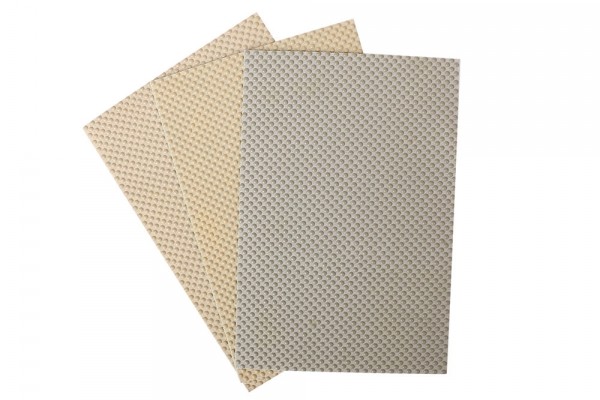
label:
marble sandpaper