English
 Português
 русский
 Chinese
 French
 Japanese
 Spanish

Will Marble Crack When Cut? Learn About the Risks and Solutions
2025-07-04 11:34:13
admin
Marble is a beautiful and popular natural stone used in a wide variety of applications, from countertops to flooring to decorative elements. However, a common problem with marble cutting is its tendency to crack. While marble is prone to cracking, choosing the right tools and using proper cutting techniques can effectively reduce this risk.
Why Does Marble Crack?
Marble is a relatively brittle stone, which means it can break under certain conditions. When cutting marble, there are several factors that can cause it to crack:
1. Material properties
Marble is made of calcite, which gives it a unique beauty but also makes it susceptible to stress. When subjected to uneven pressure or excessive force, marble can crack or chip.
2. Bad tool selection
Using the wrong cutter or blade can significantly increase the risk of cracking. Each stone has unique characteristics that require a specially tailored tool to cut effectively. For example, using a blade designed for a harder material like granite may not be suitable for marble and can cause overheating and overpressure, which can lead to cracking.
3. Inadequate cutting technology
The way you cut plays a vital role in preventing splitting. Things like uneven pressure, cutting too fast or having an unsteady hand can cause splitting.
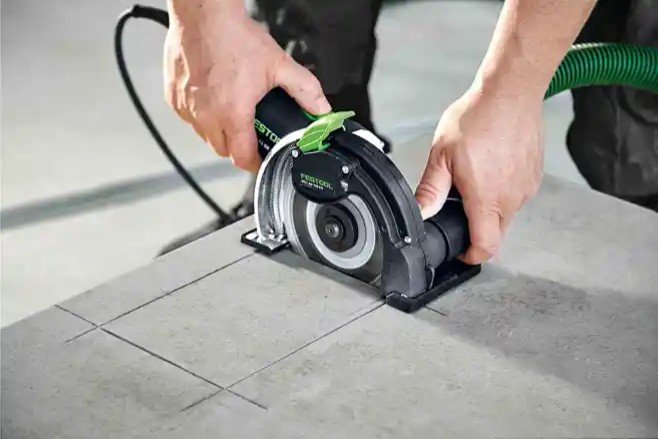
How to Avoid Marble Cracking?
1. Choose the right machine and blade
Choosing the right cutter and blade is essential to preventing cracks in your marble.
Slow-speed cutter: Marble should be cut with a slow-speed cutter. High-speed cutting creates excessive heat and stress, increasing the likelihood of cracks. Lower speeds give you more control over your cut and reduce the risk of damaging the stone.
Fine-toothed blades: Use professional marble saw blades. Fine-toothed blades are ideal because they cut smoother and minimize impact to the stone. Avoid blades designed for cutting harder materials because they can put too much pressure on the marble.
2. Reasonable arrangement of cutting force
It is critical to maintain consistent and even pressure throughout the cutting process.
Apply force evenly: When operating the cutter, always apply steady and even force. Sudden increases or decreases in pressure can create stress points in the marble, causing cracks.
Handle with care: Handle marble with care, especially when positioning cuts. Make sure the stone is adequately supported to prevent any movement that could cause uneven pressure.
3. Control cutting speed
The speed at which you cut marble plays an important role in preventing cracks.
Optimal cutting speed: Find the balance of cutting speed. Cutting too fast will cause overheating and cracking, while cutting too slow will reduce efficiency and produce rough edges. Please adjust the speed according to the specific characteristics of the marble and the cutting conditions.
Monitor progress: Keep a close eye on the cutting process and adjust the speed as you go. If you notice any signs of stress or cracking, reduce the cutting speed immediately.
4. Reinforcement of stone
For particularly fragile marble, additional reinforcement can help prevent cracking.
Protective layer: Before cutting, it is recommended to apply a protective layer on the marble surface. This protective layer helps absorb some of the stress generated during the cutting process and enhances the toughness of the stone.
Pre-consolidation: If possible, pre-consolidate your marble with a material that will provide additional support. This is especially helpful for larger or thinner slabs that are more susceptible to cracking.
Summary
While marble does tend to crack during cutting, this problem can be mitigated by careful machine and blade selection, proper force, controlled cutting speed, and reinforcement of the stone. By following these guidelines, you can achieve clean, precise cuts while maintaining the beauty and integrity of the marble. Whether you are a professional stone craftsman or a DIY enthusiast, mastering these techniques will allow you to achieve better cuts and make your project more successful.
label:
Diamond Saw Blade