English
 Português
 русский
 Chinese
 French
 Japanese
 Spanish

Reasons and Solutions for Diamond Saw Blade Segments Falling
2025-06-20 11:04:08
admin
Diamond saw blades are essential tools in the construction and stone cutting industries, known for their efficiency and precision. The segments of these saw blades contain diamond particles, which are essential for effective cutting. However, a common problem users encounter is these segments falling off during operation. Understanding the reasons behind this problem can help in choosing the right tool and ensuring its longevity.
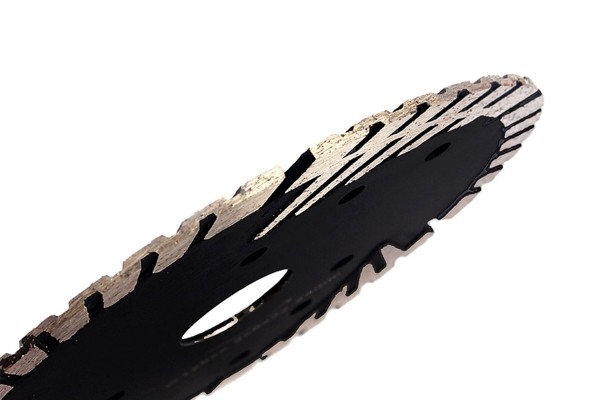
Reasons for Diamond Saw Blade Segments Falling
1. Improper or poor welding
The welding process that joins the diamond tip to the blade is critical to its performance. Most reputable manufacturers use high-frequency welding to create a strong bond between the tip and the blade body. However, some manufacturers may use high-temperature welding methods that do not provide a strong connection.
Key questions:
Insufficient bonding: If the welding process is not done correctly, the bond strength may not be sufficient to withstand the cutting stress. This can cause the component to loosen and eventually fall off.
Uneven height: If the weld height of the blade is not consistent, uneven pressure will be generated when cutting. This unevenness will form stress points and eventually cause the blade to fall off.
2. Poor quality silver soldering pliers
During the soldering process, a silver soldering jig is often used to facilitate the bonding of the diamond tip to the blade. The quality of this soldering jig is critical to ensure a secure connection.
Key questions:
Poor quality materials: If the silver soldering bracket is of poor quality, it may not effectively bond the head to the blade. This can cause the head to fall off during use.
Bulk failure: When the problem is with a silver soldered bracket, it often results in multiple parts coming off at the same time, indicating a systemic problem with the soldering process.
3. Cutting speed is too fast
One of the main reasons for the blade falling off is too fast cutting speed. Too high mechanical cutting speed will cause the following problems:
Not sharp enough: If the cutter head is not sharp enough to handle the higher speeds, it may not cut the material effectively. This can cause excessive wear, causing the cutter head to loosen and eventually fall off.
Increased impact force: Fast cutting speeds create significant impact force, especially when the blade first contacts the material. This sudden force may cause the blade to fall out if it is not securely attached.
4. Fast running speed
Similar to cutting speed, the speed at which the saw blade is running can also cause the cutter head to break. When cutting hard materials, if the saw blade is started at high speed, it will generate strong impact forces, which may cause the cutter head to break.
Initial cutting shock: When the saw blade starts cutting, the initial impact can be particularly strong. If the operating speed is too high, it may cause the saw blade to break off, especially if it is not welded or bonded properly.
5. Inappropriate cutting material
Using the wrong type of saw blade to cut a specific material may cause the blade to fall off. Each diamond saw blade is designed for a specific purpose and using it beyond its intended purpose may cause failure.
Material compatibility: For example, a blade designed to cut marble should not be used to cut granite and vice versa. If a blade is used haphazardly with a material it was not designed for, the blade tip may wear unevenly or fall off.
6. Insufficient water intake or lack of cooling
Cooling is a key factor affecting the performance of diamond saw blades. Insufficient water supply or insufficient cooling water will cause the blade to overheat during cutting.
High temperature: When a cutter head overheats, it compromises the structural integrity of the bond between the head and the blade. High temperatures can cause the head to bend or loosen, eventually causing it to fall off.
Importance of wet cutting: Most diamond saw blades are designed for wet cutting, which uses water to cool the blade and reduce friction. Ensuring adequate water flow during cutting is critical to maintaining blade stability.
7. Segment quality issues
The quality of diamond segments is critical to their performance and durability. Several problems may occur during the manufacturing process, leading to segment damage:
Improper sintering: If the sintering temperature is not properly controlled (too low or too high), the structural integrity of the blade will be affected. Insufficient sintering temperature will lead to a weakened bond, while too high a sintering temperature will lead to the degradation of the diamond particles.
Insufficient insulation: The insulation time during the sintering process is critical. If the sintering section fails to maintain the required temperature for an appropriate period of time, it will result in insufficient strength of the sintered section and easy to fall off.
Formulation issue: The composition of the bit bond is critical. If the bond is too soft or the mixing process is uneven, it will result in poor adhesion between the diamond particles and the bit body, increasing the possibility of the bit falling off.
8. The clip is not sharp enough
Another common reason for damaged cutting heads is insufficient sharpness. This problem is especially common with cutting heads that are newly formulated or have not been thoroughly tested.
Sharpness: If the blade is not sharp enough, it may not cut the material effectively. This will cause increased friction and heat, weakening the bond and causing the blade to fall off.
Adjust cutting parameters: If the sharpness is insufficient, it is recommended to reduce the rotational speed or linear speed of the saw blade. This adjustment allows the saw blade to engage with the material more effectively, thus reducing the risk of the saw blade falling off.
9. Changes in fragment size
Inconsistent segment sizes can also cause segment failures. This problem often occurs in production:
Mold deformation: When manufacturers reuse molds multiple times, molds may deform, resulting in inconsistent part dimensions. This inconsistency can cause weak points in the part, making it more susceptible to impact.
Impact fragility: When the cutter head is not uniform in size, the protruding portion may be more susceptible to impact during the cutting process. This increased sensitivity may cause the cutter head to fall off the blade.
10. Insufficient cooling and water supply
Cooling is a key factor affecting the performance of diamond saw blades. Insufficient water supply or insufficient cooling can cause the saw blade to overheat during cutting.
High temperature: When a cutter head overheats, it can compromise the structural integrity of the connection between the cutter head and the blade. High temperatures can cause the cutter head to warp or loosen, causing it to fall off.
Importance of wet cutting: Most diamond saw blades are designed for wet cutting, which uses water to cool the blade and reduce friction. Ensuring adequate water flow during cutting is critical to maintaining blade stability.
11. Other influencing factors
Several other factors can also cause segment separation:
Oxidation: If not used for a long time, they may oxidize, which can weaken their structure and cause failure.
Insufficient arcing: If the segments do not have sufficient arcing, all the impact forces will be applied at the connection of the segments, increasing the risk of detachment.
Bond hardness: If the bond of a diamond circular saw blade is too hard and lacks sufficient toughness, it can also cause the segment to fail.
How to Solve the Problem of Diamond Saw Blade Falling Off?
1. Follow the correct welding procedures
The welding process is critical to ensure that the diamond segment is firmly fixed to the blade. To improve the reliability of welding, please consider the following points:
Follow standard welding procedures: Ensure that the welding process meets established standards. This includes using high-quality welding flux and welding techniques to enhance a strong bond between the cutter head and the blade.
Ensure symmetry: During welding, it is crucial to ensure that the parts are perfectly symmetrical. Uneven connections will lead to imbalances, which will increase the risk of the parts falling off during cutting.
Quality control: Strict quality control measures are implemented during the welding process to ensure that each blade meets the required specifications. This helps to detect and correct any problems before the blade is put into service.
2. Choose high-quality diamond blades
The quality of a diamond segment is critical to its performance and durability. To ensure the best cutting results, consider the following:
Choose a reputable manufacturer: Choose a professional diamond segment manufacturer that has a strict quality control system. This ensures that the segments are produced to a high standard and are less likely to fail during use.
Cutter head specifications: Cooperate with manufacturers who can provide different specifications of cutter heads to customize cutting solutions for various stones. Choosing the right cutter head according to the cutting material is crucial to prevent the cutter head from falling off.
Versatility: If you need to cut a variety of stone materials, choose a blade designed to be versatile. This helps reduce the risk of damage to the blade due to using the wrong blade to cut a specific stone.
3. Adjust cutting parameters
The cutting process itself can significantly affect the performance of diamond tips. To minimize the risk of tip loss, consider the following adjustments:
Mechanical cutting data: Adjust mechanical cutting parameters based on material size and cutter power. This includes optimizing cutting speed and feed rate to meet specific job requirements.
Gradually increase speed: For new blade formulations, start at a lower cutting speed and then gradually increase the speed while monitoring performance. This approach allows real-time speed adjustments and helps prevent blade shedding.
Observe & adjust: Continuously observe the cutting process and make necessary adjustments based on the cutter head performance. This proactive approach helps to detect potential problems before they lead to cutter head failure.
In Conclusion
While diamond segments falling off a saw blade can be a serious problem, implementing the right solution can effectively mitigate the problem. By following the correct welding procedures, selecting high-quality segments and adjusting cutting parameters, users can improve the performance and life of diamond saw blades.
Additionally, it is important to source your bits and blades from professional manufacturers with strict quality control measures. Users should also have the necessary knowledge and skills to properly operate the blades and select the appropriate cutting materials. Following these guidelines can significantly reduce the risk of a bit falling off and ensure a successful cutting operation.
label:
diamond saw blade