English
 Português
 русский
 Chinese
 French
 Japanese
 Spanish

How to Choose the Right Sandpaper to Remove White Spots on Marble?
2025-02-28 13:04:23
admin
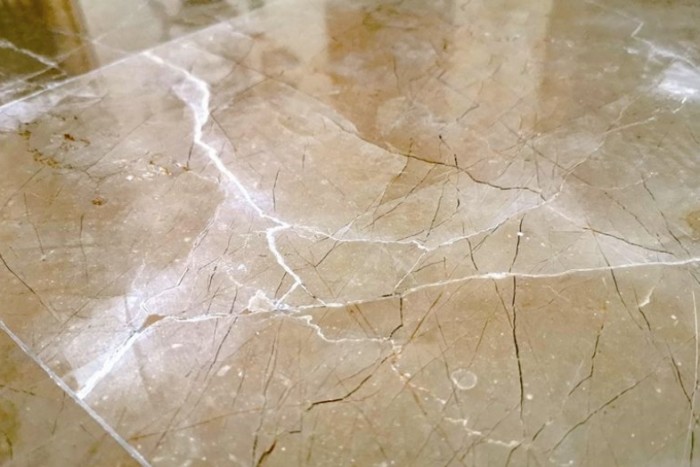
Marble is a beautiful and elegant material that is often used for flooring, countertops, and decking. However, over time, marble surfaces can develop a white haze or dullness, commonly referred to as "bleaching." This problem can be caused by a variety of factors, including moisture, stains, and improper cleaning methods. Fortunately, with the right tools and techniques, you can restore the shine and beauty of your marble surface. This article will guide you on how to choose the right sandpaper and the steps to effectively remove marble blanching.
What Grit Sandpaper for Marble?
In order to effectively solve the problem of marble surface whitening, it is very important to choose the right sandpaper. Here are some suggestions:
Grit for sandpaper:
800 grit sandpaper or higher: For general whitening issues, it is recommended to first use sandpaper with a grit of 800 or higher. This finer sandpaper will help polish the surface without causing severe damage to the marble.
400 grit sandpaper: If the whitening is a more severe problem, you may want to consider using 400 grit sandpaper. This coarser sandpaper can help remove deeper stains and blemishes before you use a finer grit paper to polish.
The Process of Polishing Marble with Sandpaper
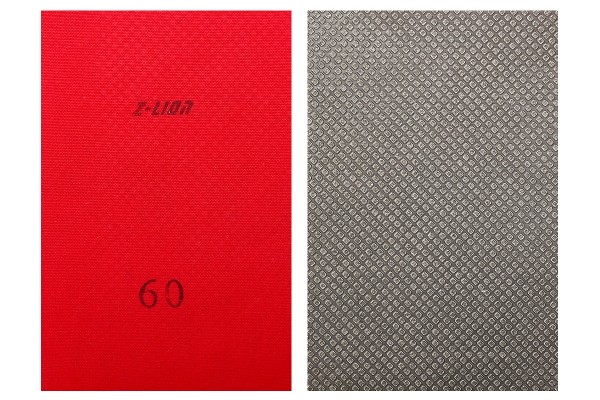
Once you’ve chosen the right sandpaper, follow these steps to effectively remove white spots from your marble surface:
1. Clean the surface:
Before you begin the polishing process, you must thoroughly clean the marble surface. Use a damp cloth or stone cleaner to remove dirt, dust, and any stains. This step ensures that you do not grind dirt into the marble, which could cause further damage.
2. Wet grinding:
Fold a suitable sandpaper (starting from 800 grit) into four pieces and soak them in water. Gently rub the wet sandpaper over the marble surface, making sure both the sandpaper and the surface remain wet throughout the process.
Be gentle during this step to avoid scratching or damaging the marble. If the whitening effect is not significantly reduced after using 800 grit sandpaper, you may consider further polishing with higher grit sandpaper.
3. Dry grinding:
After wet sanding, wipe the surface with a clean cloth or rag to remove excess moisture and allow the surface to dry completely. Once dry, you can manually dry sand the surface using the same sandpaper.
When dry sanding, make sure both the sandpaper and the surface are dry. Use a 360-degree motion instead of sanding in a single direction for a more even look.
4. Clean the surface again:
After sanding, it is very important to clean the marble surface again. Use a damp cloth to remove any sandpaper debris and dirt that may have accumulated during the process. This final cleaning will help restore the marble's shine and ensure a clean surface.
Precautions
To achieve the best results when using sandpaper to polish marble, keep the following considerations in mind:
Avoid using coarse sandpaper: Do not use sandpaper that is too coarse as it can easily damage the marble surface. Always start with a finer grit sandpaper and gradually increase if necessary.
Cleaning sandpaper after use: Make sure the sandpaper is clean before each use. Dirt or debris left over from previous use may scratch the marble surface.
Use your hands: During the grinding process, use your hands to maintain control and avoid applying excessive force, which may damage the marble.
Limit area: Do not sand too large an area at a time. Sanding smaller sections at a time helps maintain a consistent finish and prevents color variations across the surface.
In Conclusion
Removing white spots from marble surfaces requires careful sandpaper selection and proper polishing techniques. By choosing the appropriate grit marble sandpaper (800 grit for general problems and 400 grit for severe problems), you can effectively restore the beauty of your marble. Following the outlined steps of cleaning, wet sanding, dry sanding, and final cleaning will help you achieve a smooth, polished surface. With patience and the right approach, your marble surface can be restored to its original luster and elegance.
label:
marble sandpaper