English
 Português
 русский
 Chinese
 French
 Japanese
 Spanish

Key Differences Between Dry-Cut and Wet-Cut Stone
2026-03-20 09:26:53
admin
In stone cutting, the choice between dry cutting and wet cutting methods significantly impacts processing efficiency, quality, and safety. Each method has its unique processing techniques, principles, effects, and applications. This article will explore the key differences between dry and wet stone cutting to help you make an informed choice based on your specific cutting needs.
1. Processing Methods and Mechanisms
Dry cutting method:
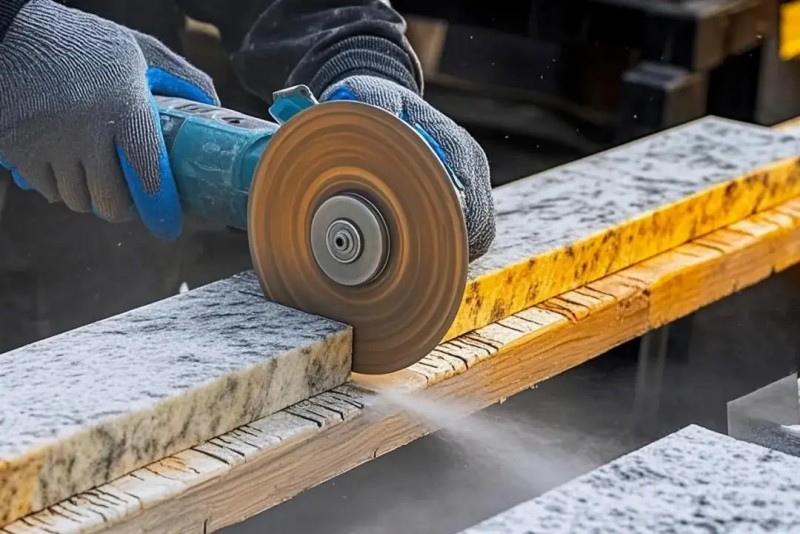
Processing method: Dry cutting is a method of cutting without the use of water. This method relies entirely on the mechanical action of the saw blade to cut the stone.
Mechanical principle: Cutting is achieved through a high-speed rotating saw blade, which generates friction and heat when in contact with the stone. The sharpness and design of the saw blade are crucial for effective cutting, as they must overcome the hardness of the stone without the aid of cooling water.
Wet cutting method:
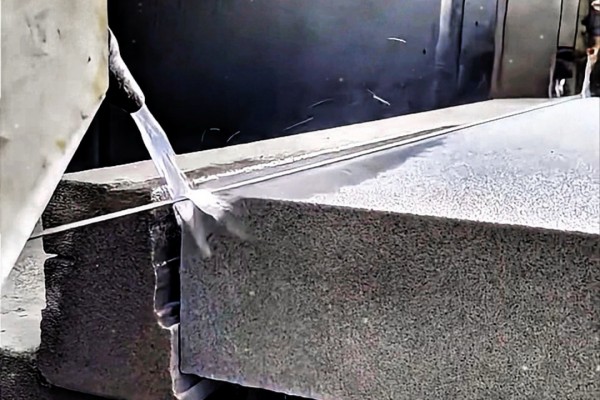
Processing method: Wet cutting refers to adding a large amount of water during the cutting process. This water serves several purposes, including cooling the blade, reducing dust, and minimizing the risk of overheating.
Working principle: Wet cutting typically uses a horizontal slicing machine, which combines mechanical rotation and grinding action. Water not only cools the blade but also helps remove debris and dust generated during the cutting process, creating a cleaner working environment.
2. Cutting Effect
Dry cutting method:
Advantages:
One of the main advantages of dry cutting is that it requires no water during the cutting process. This allows the natural texture and color of the stone to be preserved, maximizing its inherent beauty. Because no water is used, the stone retains its original appearance, making it ideal for projects with extremely high aesthetic requirements.
Shortcoming:
However, dry cutting also has its drawbacks. Due to the lack of cooling and dust-proofing water, the temperature can become excessively high during cutting, leading to dulling of the saw blade over time. This affects cutting efficiency and the surface quality of the stone. Furthermore, because dry-cut stone has a higher porosity, any surface defects or cracks will be more noticeable, thus impacting the overall appearance.
Wet cutting method:
Advantages:
Wet cutting focuses on fine finishing, resulting in a smoother, flatter cut surface. Using water during the cutting process helps cool the saw blade and reduce dust generation, leading to faster and cleaner cuts. This method is particularly suitable for removing cracks and defects from stone surfaces, thereby improving the overall quality of the finished product.
Shortcoming:
One potential drawback of wet cutting is that it may slightly affect the preservation of the stone’s natural texture and color. The introduction of water can alter the appearance of some stones, making them different from dry-cut stone. However, in applications where surface quality is a priority, this trade-off is generally acceptable.
3. Application Scenarios
Dry cutting method:
Ideal use:
Dry cutting is particularly suitable for architectural works, sculptures, and other projects that require preserving the natural texture and color of the stone. It is also suitable for situations where surface roughness is not critical, allowing the natural characteristics of the stone to be fully displayed.
Example:
This method is often used in artistic creation, such as making complex sculptures or decorative elements, where the visual appeal of the stone is the primary consideration.
Wet cutting method:
Ideal use:
Wet cutting is best suited for applications requiring a high degree of smoothness and consistency in the stone surface, such as wall and floor tiles. It is particularly effective in situations demanding high surface quality and fine finishing.
Example:
This method is commonly used in the production of tiles, countertops, and other materials requiring polished surfaces. The wet cutting process ensures that the final product meets the high standards required for residential and commercial applications.