English
 Português
 русский
 Chinese
 French
 Japanese
 Spanish

The Difference Between Stone Cutting Blades and Wooden Stone Cutting Blades
2025-01-10 10:57:59
admin
When cutting materials, blade selection is critical to achieving the desired results. Stone cutting blades and wooden cutting blades are designed for very different purposes, each with unique properties and uses. Understanding these differences can help you choose the right blade for a specific project. This article will explore the properties and uses of stone and wood blades, focusing on their unique features.
Characteristics and Uses of Stone Cutting Blades
1. Material composition:
Stone blades are usually made of high-hardness materials to withstand the rigors of cutting hard stone. Common materials include:
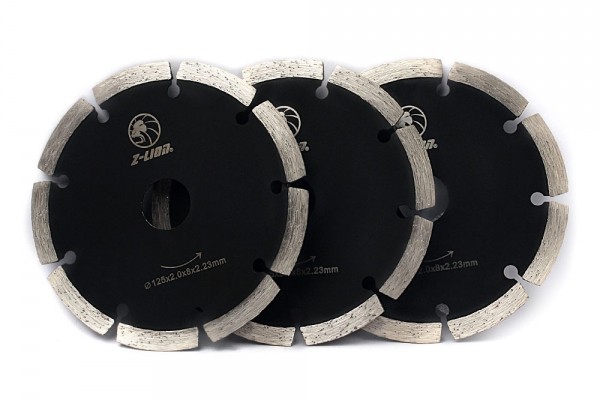
Diamond: Diamond cutting blades are the most popular choice for cutting stone due to their exceptional hardness and durability. They are often used for precision cutting and can handle a wide variety of stone types.
High hardness alloy steel: Some stone blades are made of alloy steel, which provides good wear resistance and strength for cutting applications.
Tool steel: Tool steel blades are also used for cutting stone and have a balance of hardness and toughness.
2. Blade shape:
Stone blades are usually straight and flat in shape. This design provides a larger surface area, which is essential for stability and safety when cutting. The straight edge helps maintain control and precision when cutting dense materials.
3. Application:
Stone blades are specially designed for cutting and milling various types of stone, including:
Marble: Used to create intricate designs and finishes on marble countertops and tiles.
Granite: Ideal for cutting granite slabs for countertops, flooring, and other applications.
Limestone and slate: Ideal for cutting softer stones such as limestone and slate, commonly used in construction and landscaping.
Characteristics and Uses of Wooden Blades
1. Material composition:
Wooden blades are used to cut softer materials, primarily wood. They are usually made from:
High speed steel (HSS): HSS blades are commonly used for cutting wood due to their ability to retain their sharpness and resist wear.
Carbon steel: Carbon steel blades are also popular for wood applications, offering a good balance of toughness and sharpness.
2. Blade shape:
Wooden blades come in a variety of shapes and designs, including:
Serrated edge: Many wood blades have a serrated edge, which increases cutting efficiency and speed when cutting through wood fibers.
Curved or tapered designs: These shapes are often used for specific cutting tasks, such as scroll cutting or intricate designs.
3. Application:
Wood blades are suitable for cutting a variety of wood types, including:
Softwood: such as pine and cedar, are easier to cut and do not require a very sharp blade.
Hardwood: such as Oak and Maple, may require a specialized blade with more teeth to achieve a smoother surface.
Furniture board: Wood blades are also used to cut engineered wood products such as plywood and particle board.
How to Choose Between Stone and Wood Blades?
1. Target materials
The first step in blade selection is to determine the hardness and characteristics of the target material. Different materials require different types of blades to ensure effective cutting:
Stone: When cutting stone materials such as granite, marble or limestone, you need a blade that can withstand high hardness. Stone blades are usually made of materials such as diamond or high-hardness alloy steel to provide the necessary durability and wear resistance.
Wood: For wood cutting, there is a huge difference in hardness between softwoods (like pine) and hardwoods (like oak). Wood blades are usually made of high-speed steel (HSS) or carbon steel and are designed to stay sharp and provide efficient cutting.
Selecting the right blade for your target material ensures you get the cut and quality you desire.
2. Blade shape
The shape of the blade is another key factor to consider. The blade should be designed to match the characteristics of the target material to ensure stability and safety during cutting:
Stone cutting blades: Stone cutting blades are generally straight and flat, providing a larger surface area for stability when cutting hard materials. This shape helps maintain control and precision, which is essential for achieving a clean cut on stone.
Wooden cutting blades: Wooden blades often have serrated edges or various tooth designs to suit specific cutting tasks. For example, blades with more teeth are good for fine cuts, while blades with fewer teeth are better for quick rough cuts. The shape and size of a wooden blade should match the type of wood being cut to ensure efficient performance.
3. Material quality
The quality and material selection of a blade directly affects its cutting performance and lifespan. When choosing a blade, consider the following:
Brand reputation: Choose blades from reputable brands known for quality and reliability. High-quality blades are more likely to provide consistent performance and durability.
Material composition: Make sure the blade is made of the right material for the intended use. For stone blades, look for blades made of diamond or high-hardness steel. For wood blades, choose blades made of HSS or carbon steel, depending on your cutting needs.
Investing in a high-quality blade will not only increase your cutting efficiency, but it will also reduce the frequency of replacements, ultimately saving you time and money.
In Conclusion
Stone cutting blades and wood cutting blades are specialized tools designed for different cutting applications, each with unique materials, shapes, and methods of use. Choosing the right blade can significantly impact your productivity and the quality of your finished product. When selecting a blade, consider factors such as target material, blade shape, and material quality based on your specific cutting needs. By making an informed choice, you can enhance your cutting experience and achieve the best results in your project.
label:
Diamond Saw Blade