English
 Português
 русский
 Chinese
 French
 Japanese
 Spanish

Various Drill Bit Types and Selection Guide
2025-01-03 11:25:58
admin
A drill bit is an essential tool used to drill holes in a variety of materials, and its effectiveness depends largely on the type of drill bit used. There are a variety of drill bits on the market, each designed for a specific application, and understanding the differences in drill bit materials, shapes, and uses is essential to choosing the right drill bit for your project. This article will explore the various types of drill bits and provide a selection guide to help you make an informed choice.
Diverse Types of Drill Bits
1. High speed steel (HSS) drill bit
High-speed steel drill bits are one of the most common drill bits used for drilling holes in softer materials such as wood, plastics, and non-ferrous metals. They are made from a mix of carbon steel and alloy steel, which provides excellent hardness and wear resistance.
Application:
Carpentry
Plastic manufacturing
Drilling into aluminum and other non-ferrous metals
Advantage:
Cost-effectiveness
Suitable for a variety of materials
Good heat resistance
2. Carbide drill bit
Carbide drill bits are designed for drilling hard materials, including steel, stainless steel and alloy steel. They are made of tungsten carbide, which has high hardness and wear resistance, suitable for heavy-duty applications.
Application:
Metal processing
Industrial applications
Drilling into hard materials
Advantage:
Excellent durability
Stays sharper longer than HSS drill bits
Suitable for high speed drilling
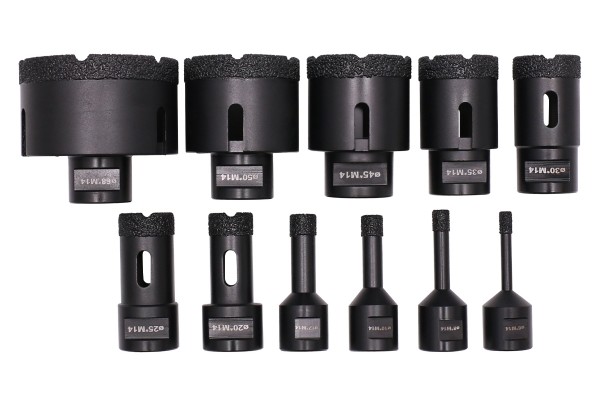
3. Diamond drill bit
Diamond drill bits are known for their unmatched hardness and are specifically designed to drill through extremely hard materials such as stone, glass and ceramics. They feature a diamond-coated tip for efficient drilling in harsh conditions.
Application:
Geological exploration
Stone processing
Glass and tile drilling
Advantage:
Excellent cutting ability
Long-lasting performance
Ideal for precision drilling in hard materials
How to Choose the Right Drill Bit?
Choosing the right drill bit is essential to achieving the best drilling results. The right drill bit not only increases efficiency but also ensures quality work. When choosing a drill bit, you must consider several factors, including material type, size and shape, and budget.
1. Determine the material type
The first step in selecting a drill bit is to determine the material you are drilling. Different materials have unique properties that require specific drill bits:
Wood: For drilling in wood, high speed steel (HSS) or twist drill bits are ideal. HSS drill bits are versatile and effective on both soft and hardwoods, while twist drill bits provide a precise and clean entry point.
Plastic: When drilling, we recommend using an HSS drill bit or a special plastic drill bit. These drill bits are designed to minimize melting and chipping, ensuring a clean hole.
Metal: For drilling in metal, consider using a cobalt or carbide drill bit. Cobalt drill bits are great for drilling through tough metals like stainless steel, while carbide drill bits are great for high-speed applications and hard materials.
Masonry: If you need to drill holes in concrete or stone, a diamond drill bit is essential. These bits are designed to withstand the hardness of masonry materials.
2. Consider the size of the hole
Determine required hole size:
The first step in selecting a drill bit is determining the size of the hole you need to drill. This requires understanding the specific requirements of the project, including hole diameter and depth.
Diameter: Choose a drill bit with a diameter that matches your needs. Drill bits come in a variety of sizes, so it's important to choose one that will meet the hole size required for your application. Using the correct diameter ensures that the hole is suitable for its intended use, whether it is for screws, dowels, or other accessories.
Depth: Also consider the depth of the hole. Some projects may require deeper holes, which may require the use of a longer drill bit. Make sure the drill bit you choose is long enough to reach the desired depth without compromising stability.
Accuracy and efficiency:
When choosing a drill bit, you should also pay attention to accuracy and processing efficiency. A well-selected drill bit will not only drill the correct hole diameter, but it will also be efficient, minimizing the time and effort required to complete the task.
3. Pay attention to processing accuracy
High precision requirements:
If your project requires high precision, it's crucial to choose a drill bit designed for precision. For example, diamond drill bits are known for their high-precision cutting edges, which are ideal for drilling clean, precise holes in hard materials.
Stability: During the drilling process, maintaining the stability of the drill bit is critical to obtaining accurate results. Make sure the drill bit is securely mounted and that the drill bit is properly aligned with the workpiece. Any wobble or misalignment may cause the hole to be inaccurate.
Control cutting speed: Cutting speed also plays an important role in processing accuracy. Speeds that are too fast can cause the drill bit to overheat and become damaged, while speeds that are too slow can result in inefficient drilling. Adjust the speed based on the material being drilled and the type of drill bit used to ensure optimal performance.
4. Consider the processing environment
The environment in which a drill bit is used can greatly affect its performance and lifespan. Here are some key aspects to consider:
Humidity and corrosive environments: If you work in a wet or corrosive environment, it is vital to choose a drill bit with high corrosion resistance. Stainless steel or specially coated drill bits can withstand moisture and prevent rust, ensuring they remain effective for a long time. For example, titanium coated drill bits have enhanced durability and corrosion resistance, making them suitable for such conditions.
High temperature environments: In applications where high temperatures are generated, such as drilling into hard metals or when used for long periods of time, it is critical to select a drill bit that can withstand high temperatures. For example, cobalt drill bits maintain their hardness and cutting ability even at high temperatures, making them ideal for heavy metalworking tasks.
Dusty or dirty environments: If drilling takes place in a dusty or dirty environment, consider using drill bits that are easier to clean and maintain. Drill bits with smooth surfaces or bits designed to minimize debris accumulation can help maintain performance and accuracy.
5. Weighing economic factors
When choosing a drill bit, it is important to consider the economics of the drill bit you choose. Here are a few points to keep in mind:
Initial cost vs. long-term value: While a higher-priced drill bit may offer better performance and durability, it is important to evaluate whether the investment is in line with your actual needs. For example, if you are working on a one-time project, a less expensive drill bit may be sufficient. However, for frequent or heavy-duty use, investing in a higher-quality drill bit can save you money in the long run due to less frequent replacements and increased efficiency.
Budget limitations: When choosing a drill bit, always consider your budget. There is a wide selection of drill bits at various price points, so you can find a drill bit that meets your needs without spending too much. Compare different brands and types to find the best balance between quality and cost.
Performance vs. price: Sometimes, choosing a mid-range drill can provide a good balance between performance and price. Researching user reviews and product specifications can help you find a drill that performs reliably and is priced appropriately.
Drill Bit Instructions: Ensure safe and effective drilling
1. Check before use
Inspect for damage or wear: Carefully inspect the drill body, power cord, and switch for any signs of damage. Inspect the drill bit for wear, chips, or bends. A damaged drill bit can lead to poor performance and safety hazards.
Make sure the drill bit is installed correctly: Make sure the drill bit is securely mounted in the chuck. A loose drill bit may slip during operation, causing inaccuracy and potential injury.
Check the power source: If using an electric drill, make sure the power source is working properly. For battery-powered drills, verify that the battery is charged and properly installed.
2. Maintain a stable cutting speed
Adjust speed according to material: Different materials require different speeds. For example, softer materials like wood can be drilled at higher speeds, while harder materials like metal may require lower speeds to prevent overheating and drill bit wear.
Use steady pressure: Apply constant pressure to the drill bit while maintaining a firm grip. Avoid forcing the drill bit, as excessive pressure can cause overheating and damage the drill bit and workpiece.
Monitor drill bit temperature: If the drill bit overheats, its hardness and cutting ability will decrease. If you notice overheating, reduce the speed or take a break to let the drill cool down.
3. Supply coolant appropriately
Choose the right coolant: Depending on the material you are drilling, choose the right coolant. Water-soluble coolants are often used for metals, while oil-based coolants may be better suited for other applications.
Use coolant while drilling: Ensure a constant supply of coolant during the drilling process. This helps reduce friction, dissipate heat and prevent the drill bit from becoming dull.
4. Post-drilling maintenance
Clean up chips and residue: Immediately after drilling, remove all chips, coolant and debris from the drill bit and workpiece. This prevents buildup that can affect drill performance and future work quality.
Inspect the drill bit: After use, inspect the drill bit for signs of wear or damage. If the drill bit is badly worn, consider sharpening it or replacing it before next use.
Proper storage: Store drill bits and drill bits in a clean, dry place. Use a protective case or holder to prevent damage and ensure the drill bits remain sharp and ready for use.
label:
Diamond drill bits