English
 Português
 русский
 Chinese
 French
 Japanese
 Spanish

Stone Floor Fine Grinding: Process and Effect
2024-11-22 10:56:33
admin
Fine grinding of stone floors is a meticulous process that enhances the beauty and durability of the stone surface. Stone floors are favored in various architectural spaces for their unique texture and elegance. However, fine grinding is essential to achieve the best visual and functional results. This article will take a deep dive into the definition, process, and effects of fine grinding of stone floors.
Definition of Stone Floor Fine Grinding
Fine grinding of stone flooring refers to the systematic polishing of the stone surface using special tools and abrasives. This process involves removing surface defects such as scratches, stains, and unevenness to create a smoother, flatter, and more reflective surface. The fine grinding process not only enhances the beauty of the stone but also improves its durability and extends its life.
Stone Floor Polishing Process
1. Coarse Grinding
The first step in the fine grinding process is coarse grinding. This stage involves using a coarse grinding disc and running it at a higher speed to perform the following tasks:
Removes Impurities: The rough grinding process effectively removes dirt, dust, and other contaminants that may be present on the stone surface.
Resolve Protrusions: Rough grinding is essential to remove any protruding imperfections such as chips or uneven areas that may detract from the overall appearance of the stone.
Initial Leveling: This step helps level the surface in preparation for the subsequent grinding stage.
Rough grinding ensures that the stone surface is clean and relatively flat, laying the foundation for a successful fine-grinding process.
2. Medium Grind
After coarse grinding, the next step is medium grinding. This stage uses finer grinding discs and runs at a lower speed to achieve the following:
Smooth Surface: Medium grinding further refines the stone surface, making it smoother and reducing the visibility of imperfections left over from the coarse grinding stage.
Preparation for Fine Grinding: This step is crucial to creating a surface ready for fine grinding, ensuring the stone is fully prepared for the next stage.
By using a finer abrasive, a medium grind helps to improve the overall quality of the stone surface, making it more receptive to the final stage of polishing.
3. Fine Grinding
The fine grinding stage is the stage where the stone surface is polished to a high degree of smoothness. This step involves using a medium-fine grinding disc and continuing to run at a lower speed. The purposes of fine grinding include:
Remove Minor Imperfections: Fine grinding effectively addresses any minor imperfections or scratches that may exist on the surface of the stone, giving it a more uniform appearance.
Enhanced Smoothness: This stage is essential to achieve a silky smooth surface which is crucial for the final polishing process.
Fine grinding is a crucial step in the entire process as it prepares the gemstone for the final polishing stage, ensuring the surface is as flawless as possible.
4. Polishing
The final step in the fine-grinding process is polishing. This stage uses polishing pads and polishing machines to give the stone a mirror-like finish. The key aspects of polishing include:
Achieve a High Gloss: Polishing enhances the stone's luster and gives it light-reflecting properties, highlighting its natural beauty.
Protect Surface: The polishing process also helps seal the surface, providing a protective layer against stains and damage.
Final Touches: Polishing is the final touch to ensure the stone floor looks flawless and well-maintained.
Polishing is the pinnacle of fine grinding, transforming a stone surface into a stunning visual feature in any architectural space.
Tools and Materials Needed for Fine Grinding of Stone Floors
1. Stone grinder
Stone grinder is the main tool used in the fine grinding process. This machine is designed for grinding stone surfaces and has several important functions:
Powerful Motor: The powerful motor provides the necessary torque and speed to effectively grind and polish stone surfaces.
Variable Speed Settings: The ability to adjust the speed allows for different grinding stages, from coarse grinding to fine polishing.
Ergonomic Design: The well-designed grinder ensures ease of use and reduces operator fatigue during long working hours.
Using a high-quality stone grinder is essential to achieving a smooth polished finish on your stone floor.
2. Diamond grinding disc and diamond polishing pad
Diamond grinding discs and diamond polishing pads are essential components in the fine grinding process. These tools are designed specifically for stone surfaces and offer several advantages:
Durability: Diamond abrasives are extremely hard and durable, making them ideal for grinding tough materials like granite, marble, and concrete.
Multiple Grit Sizes: Diamond grinding wheels and diamond pads are available in a variety of grit sizes to achieve a progressive grinding process from coarse to fine. This enables operators to effectively remove surface defects and obtain a smooth surface.
Versatility: These tools can be used for both grinding and polishing, which is essential to achieve the desired surface quality.
Selecting the right particle size at each stage of the grinding process is critical to achieving the best results.
3. Water
A continuous source of water is critical during the grinding process for several reasons:
Cooling: Water helps reduce the temperature generated by friction during grinding, preventing the stone surface from overheating, which can cause damage such as cracking or discoloration.
Dust Prevention: Water minimizes the amount of dust generated during the grinding process, creating a safer working environment. It helps keep the work area clean and reduces respiratory hazards for workers.
Improves grinding efficiency: The presence of water enhances the grinding process by lubricating the surface, resulting in smoother operation and better results.
Ensuring a steady supply of water during the grinding process is essential to maintaining the quality of the work.
4. Dust prevention measures
Fine sanding generates a lot of dust, which poses a health risk to construction workers. Implementing proper dust prevention measures is essential to maintaining a safe working environment. Some effective measures include:
Dust Collection System: Using a vacuum system or dust collector connected to the grinder can effectively capture dust at the source, reducing airborne particles.
Containment Measures: Setting up barriers or containment systems around the work area can help limit the spread of dust to other areas, keeping the environment clean and safe.
By taking these precautions, you can protect the health and safety of your workers during the grinding process.
Effect and Maintenance of Stone Floor After Polishing
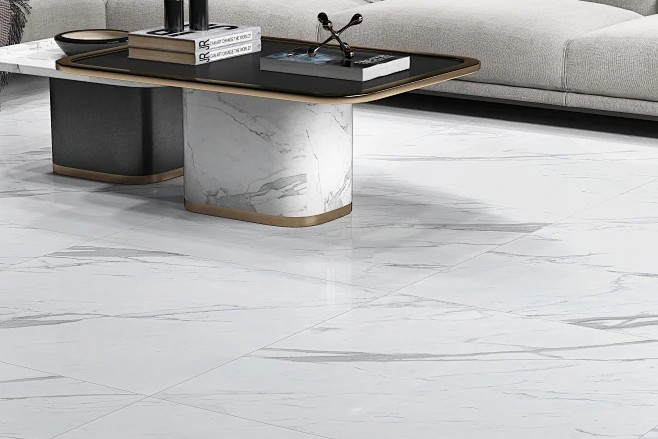
Effect of fine grinding on stone flooring
Smooth Surface: One of the most significant effects of fine grinding is the creation of a smooth surface. The grinding process removes imperfections such as scratches and unevenness, resulting in a flat, even surface. This smoothness not only enhances the aesthetics but also makes the floor easier to clean.
Bright Colors and Fine Texture: Fine polishing can bring out the natural color and pattern of the stone, resulting in a more vivid and visually impactful appearance. The subtle texture achieved through polishing adds depth and character to the stone, making it the focal point of any space.
Enhance the Aesthetic Effect: The combination of smooth surface and bright colors helps to enhance the overall aesthetic effect. Fine sanding enhances the appearance of stone flooring, making it suitable for residential and commercial environments where visual appeal is important.
Enhance Wear Resistance: Fine polishing not only improves the appearance of the stone but also enhances its durability. This process enhances surface strength, making it more resistant to foot traffic. This enhanced wear resistance helps maintain the appearance of your flooring over the long term.
Improve Stain Resistance: The fine grinding process can also improve the stain resistance of the stone. By creating a smoother surface, fine grinding reduces the stone's porosity, making it less likely to absorb liquids and stains. This is especially beneficial in high-traffic areas or spaces prone to overflow.
Maintenance after polishing the stone floor
1. Regular Cleaning:
Use a soft broom or vacuum cleaner to remove dust and debris regularly.
For a deep clean, use a pH-balanced stone cleaner and a damp mop. Avoid using acidic or abrasive cleaners as they can damage the stone surface.
2. Purification:
For stubborn stains, use a specialized stone stain remover.
Use the product according to the manufacturer's instructions and be sure to rinse thoroughly afterward to prevent residue build-up.
3. Waxing:
Apply high-quality paraffin wax to enhance shine and provide an extra layer of protection against stains and scratches.
Waxing should be done regularly, depending on foot traffic and wear and tear.
4. Sealing:
Consider applying stone sealer after fine sanding to further enhance stain resistance.
Sealants create a protective barrier that helps prevent liquids from penetrating the stone. The frequency of sealing depends on the type of stone and its use.
5. Avoid contact with harsh chemicals:
Avoid harsh chemicals, bleach, or abrasive cleaning tools that may scratch or damage the stone surface.
Always use products specifically designed for stone care.